3 months
0/8The bridge between supplies and self-sufficiency: prolonged shortages, economic crisis or war.
HomeStage 3
Stage 3Supplies run out. In a long crisis, what sustains you is what you produce, what you know how to do and the people you organize with.
When a city runs out of food, water and electricity for days, order doesn't last. There are two paths to stop depending on it; the second is the one most people will take.
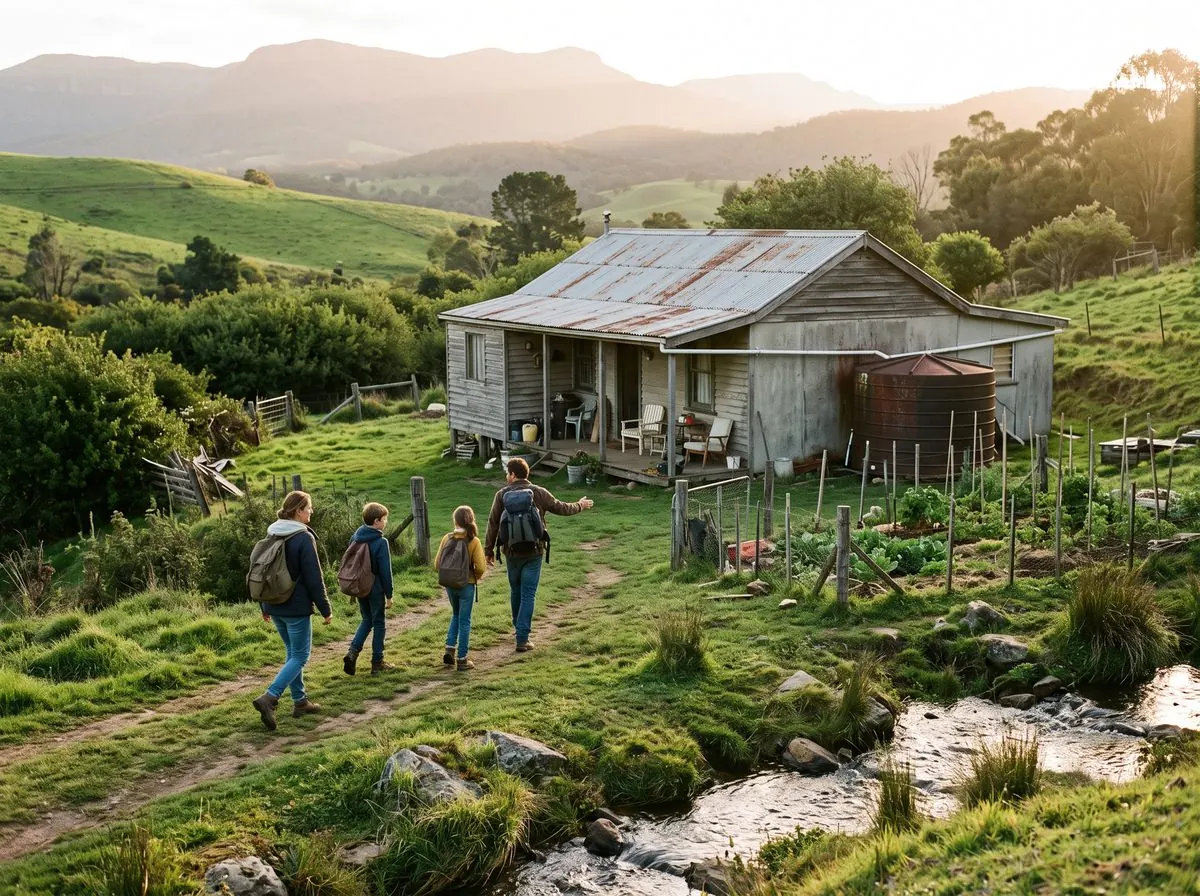 1For a minorityLeave your country and become self-sufficientIt takes savings, up-to-date papers and a place to go.See path 1
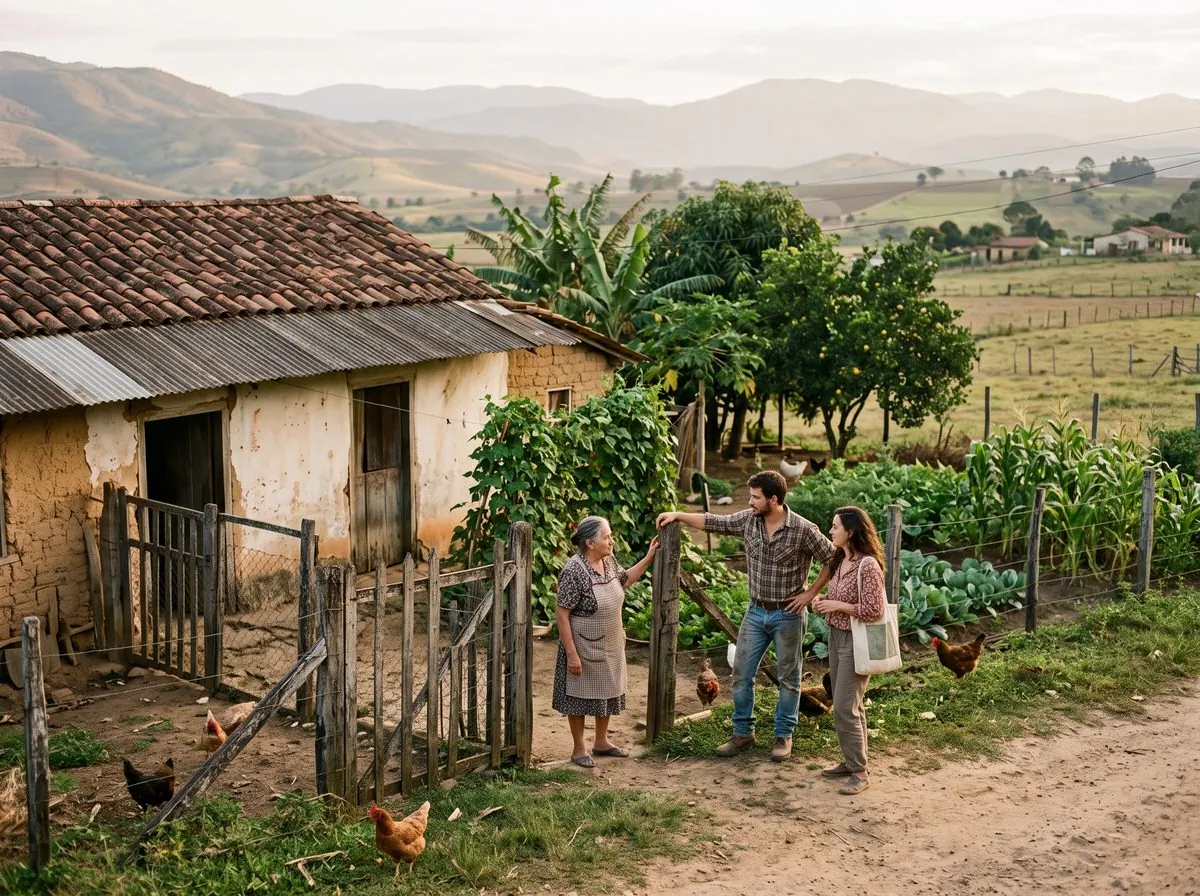 2For most peopleBecome self-sufficient in your own countryIt doesn't take much money: a second place agreed on today, and leaving in time.See path 2
When to leave the city or the country, in what order to get ready to go, and which countries are least exposed.
Guides for when there is no house, network or store nearby: the water that decides your route, a shelter made from what the woods give you, the knots that hold it up, the signals so you can be found, the water that can kill or save you, the food you take from the river and the woods, what to carry and wear, the weather you have to read and the knife you use for almost everything.
Two guides for your first night away from home: how to choose the site, pitch the tent and store food, and how to light a fire when the lighter runs out.
Three months of supplies buy you time. Self-sufficiency gives you a future: water, food and power that don't depend on a store.
The bridge between supplies and self-sufficiency: prolonged shortages, economic crisis or war.
When supplies run out, what sustains you is what you produce, what you know how to do and your community.
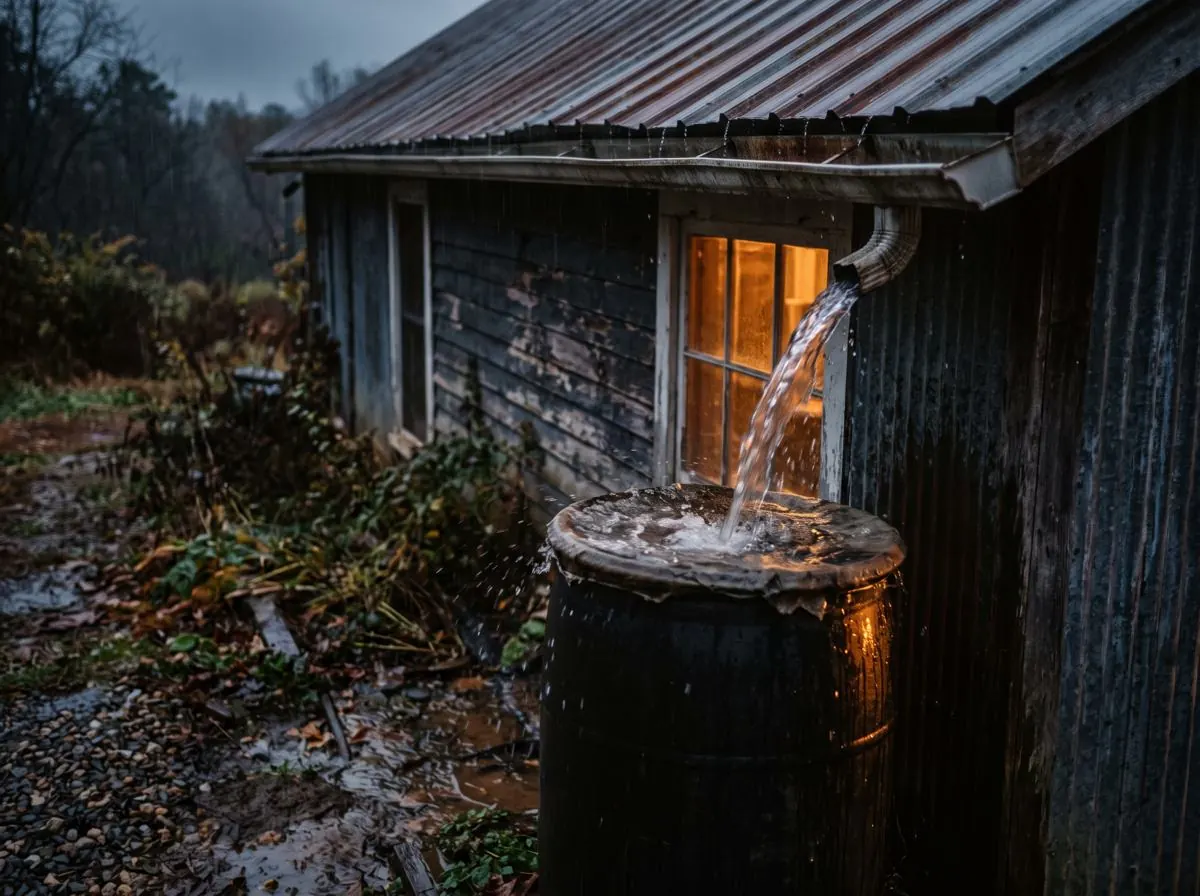
Stored water runs out; rain and a good filter don't.
Open the own water guideInside: the essentials, step by step, and the most common mistake.
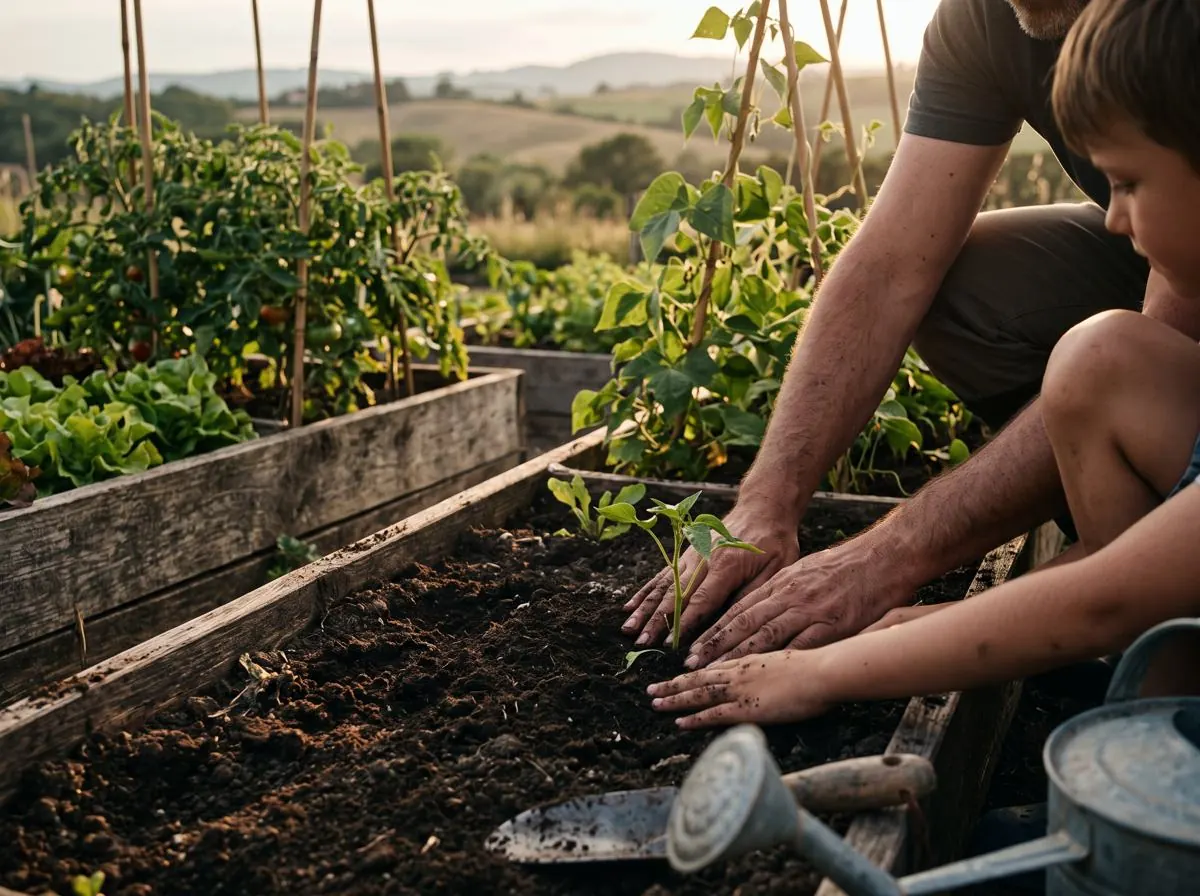
Supplies give you weeks. A garden gives you seasons.
Open the growing food guideInside: the essentials, step by step, and the most common mistake.
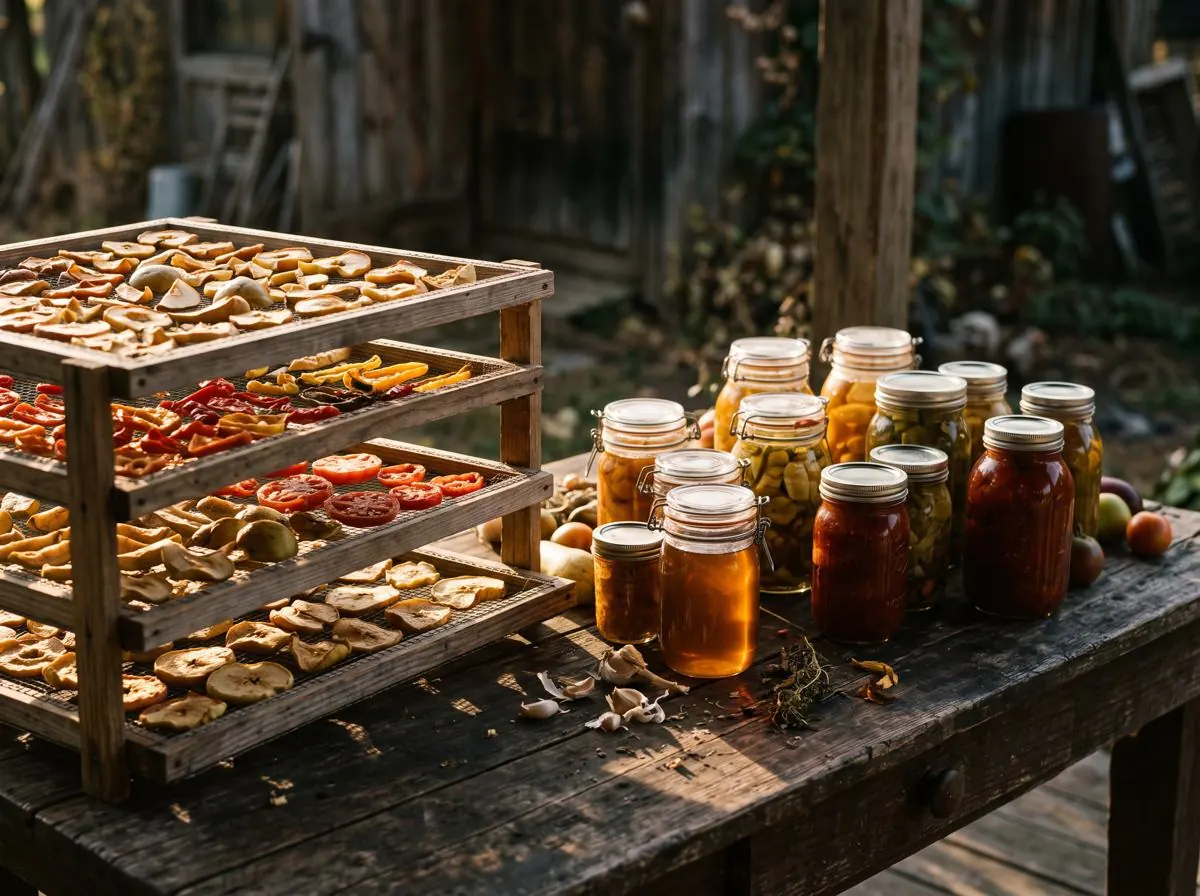
What you don't preserve is lost at harvest.
Open the food preservation guideInside: the essentials, step by step, and the most common mistake.
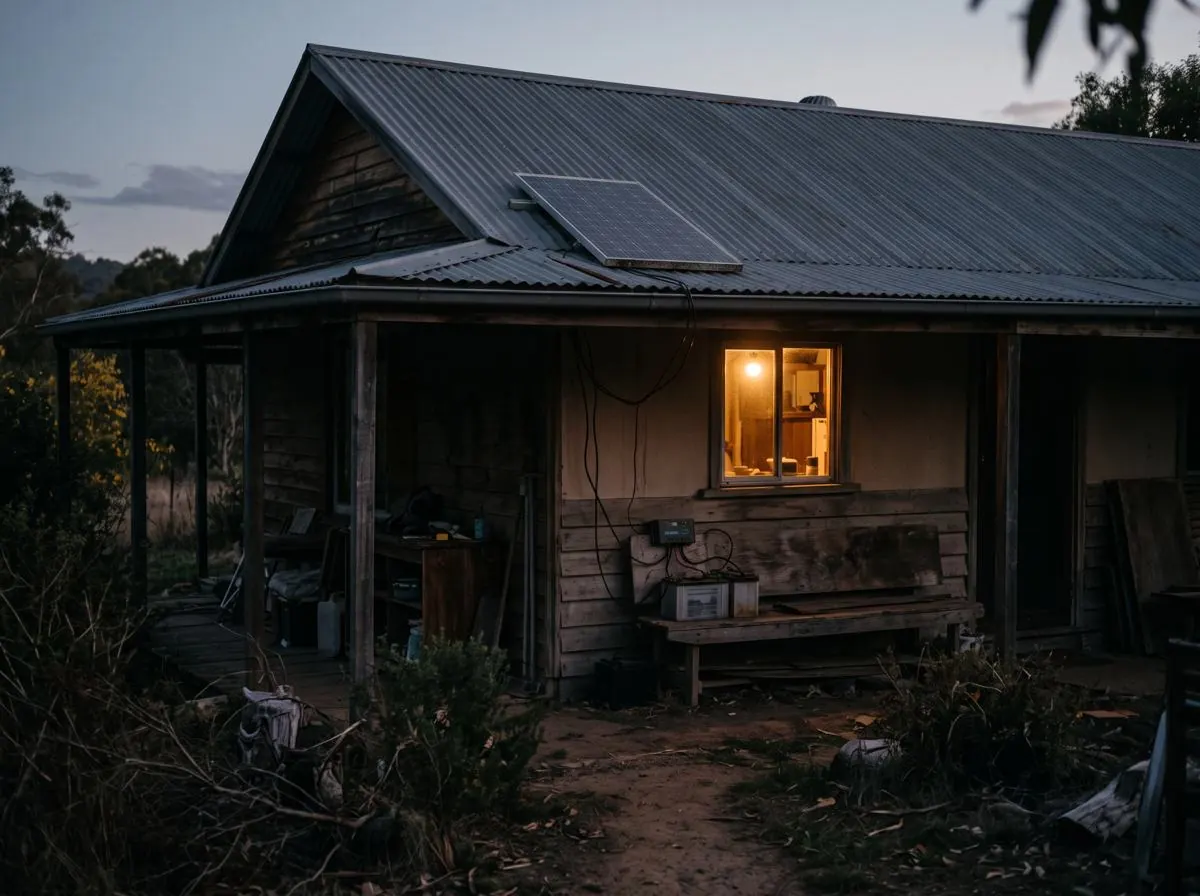
When the power doesn't come back, what you need is a little energy used well.
Open the own power guideInside: the essentials, step by step, and the most common mistake.
In a long crisis, knowing how is worth more than owning.
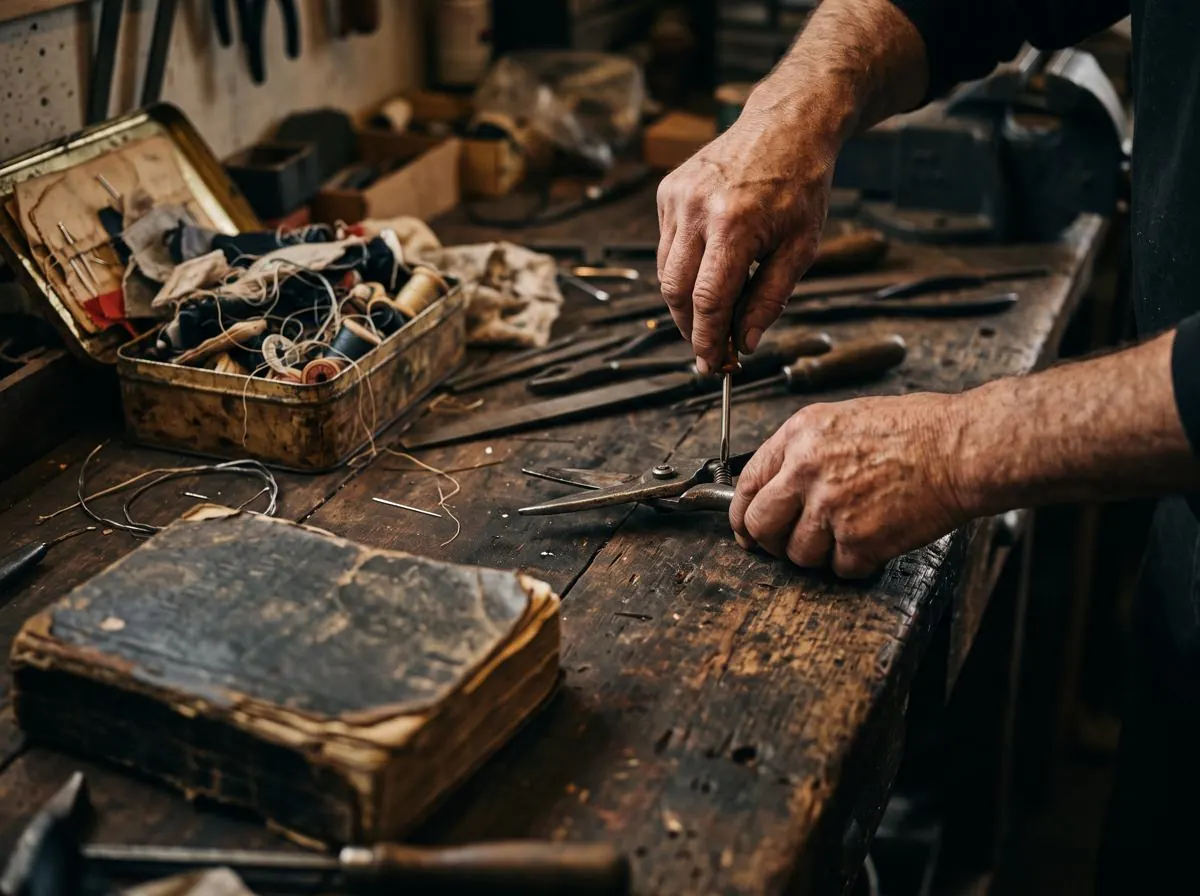
Open the trades guideInside: the essentials, step by step, and the most common mistake.
Nobody holds out alone for long. An organized community does.
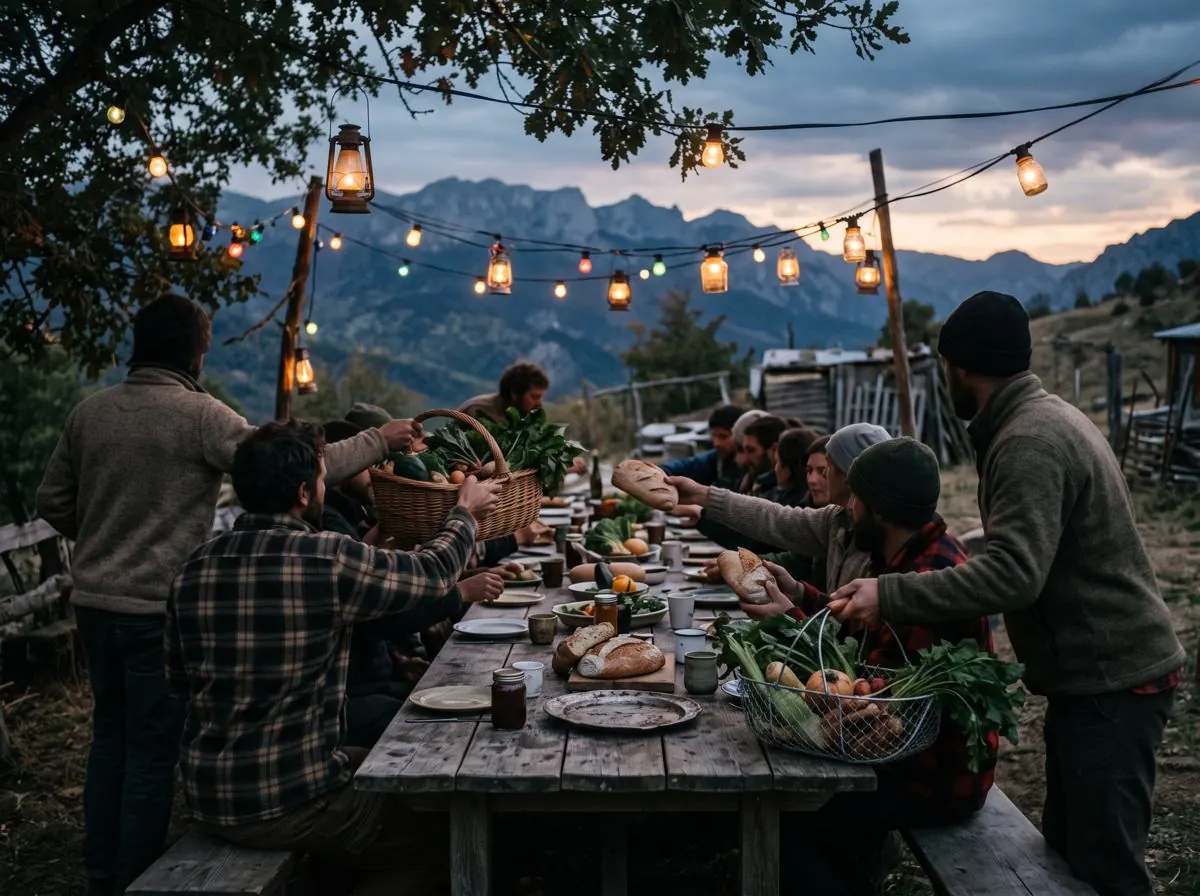
Open the community guideInside: the essentials, step by step, and the most common mistake.
Guides to produce your own food and live from it: chickens and rabbits, cooking from scratch, saving seeds and making compost, and bartering.
One guide per trade: plumbing, electricity, masonry, welding, carpentry and car mechanics. Electricity and welding are learned in an in-person course.
Two guides for when there is no doctor nearby: the warning signs, how to rehydrate and how to treat wounds and fever, and what to do about a broken bone, a burn or an injured person.
International bodies and humanitarian standards. First aid techniques are truly learned in an in-person course. For the full manuals, open the manual library.
If you don't know the local number, try 112 from a cell phone: it works in the European Union and many other countries.