HomeStage 3 · In the fieldSnares and small game guide
By Global PrepperUpdated 2 official sourcesHow we make the guides
Stage 3 · Snares and small game guideTraps: the site, the snare and the catch
A well-set trap gets you food while you do something else. Learn to pick where the animal passes, to build snares and deadfall traps with what you have and to collect the catch without getting sick.
- There is no one trap for everything: first find out which animals live where you are.
- Set the trap where the animal passes, not where it suits you.
- No freshly cut branches: their sap smells and scares off the prey.
- Gloves to pick up the catch: rabbits can make you sick.
Set the trap where the animal passes
No single trap works for everything: first find out which animals live where you are and where they move.
- Look for signsTracks, droppings, chewed or rubbed plants, nests and the places where they eat and drink.
- Trail or runwayA well-worn trail is used by several species; a smaller, less worn runway belongs to just one. Set the trap between where they sleep, eat and drink.
- Make a funnelWith branches, narrow the passage toward the trap until it is barely wider than the animal's body.
- Hide your scentBuild the pieces away from the site and bring them ready-made. Do not use freshly cut branches: their sap smells. Leave the trap out in the open for a few days, untouched, and camouflage it.
Ask first what the law allows: in many places a license is required, there are closed seasons and some traps are banned. Practice building them and take them apart when you finish.
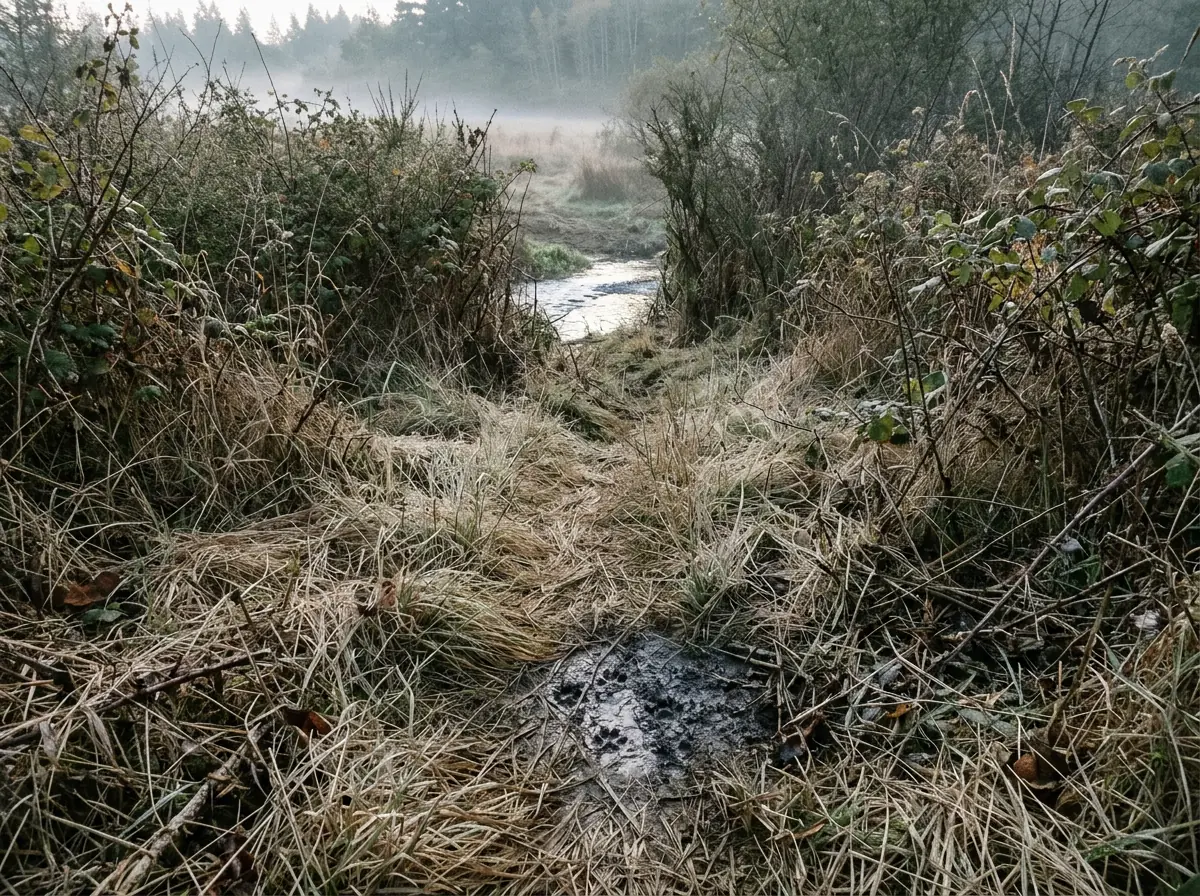
A snare over the trail
A snare is a slip noose that closes when the animal passes. Wire is better: cord loosens.
- Bait is food the animal already knows. Scatter bits around so it tastes some before reaching the snare.
- Dry trigger sticks: green ones stick together with their sap.
The video builds a simple spring snare.
Deadfall trap and hunting without a trap
A deadfall trap drops a weight on the animal when it touches the bait. The Paiute is easier to build than the figure-four trap: it takes a cord and a few small sticks.
Wear gloves to pick up the catch: rabbits and other wild animals can make you sick (tularemia). Do not touch sick or dead animals you did not hunt yourself.
The video builds a Paiute deadfall trap.
Check what you already have
0 of 5 · Saved only on this device.
- Setting the trap where it suits me instead of where the animal passes.
- Using freshly cut branches: their sap smells and scares off the prey.
- Picking up the catch without gloves.
Sources: US Army survival manual · ch. 8, obtaining food · CDC · how to prevent tularemia