Skills before stuff
Knowing how to purify water is worth more than a filter you never used. Practice each technique at least once.
HomeStage 2
Stage 2The urgent part: getting through the first hours, days and weeks without depending on anyone. Enough supplies and ten disciplines that keep you alive.
The practical things to start today: what to do if it happens now, your family plan, the go-bag and how much water you need.
Preparing is not filling a basement or living in fear. It is having what you need, knowing how to use it and being able to count on the people around you.
Knowing how to purify water is worth more than a filter you never used. Practice each technique at least once.
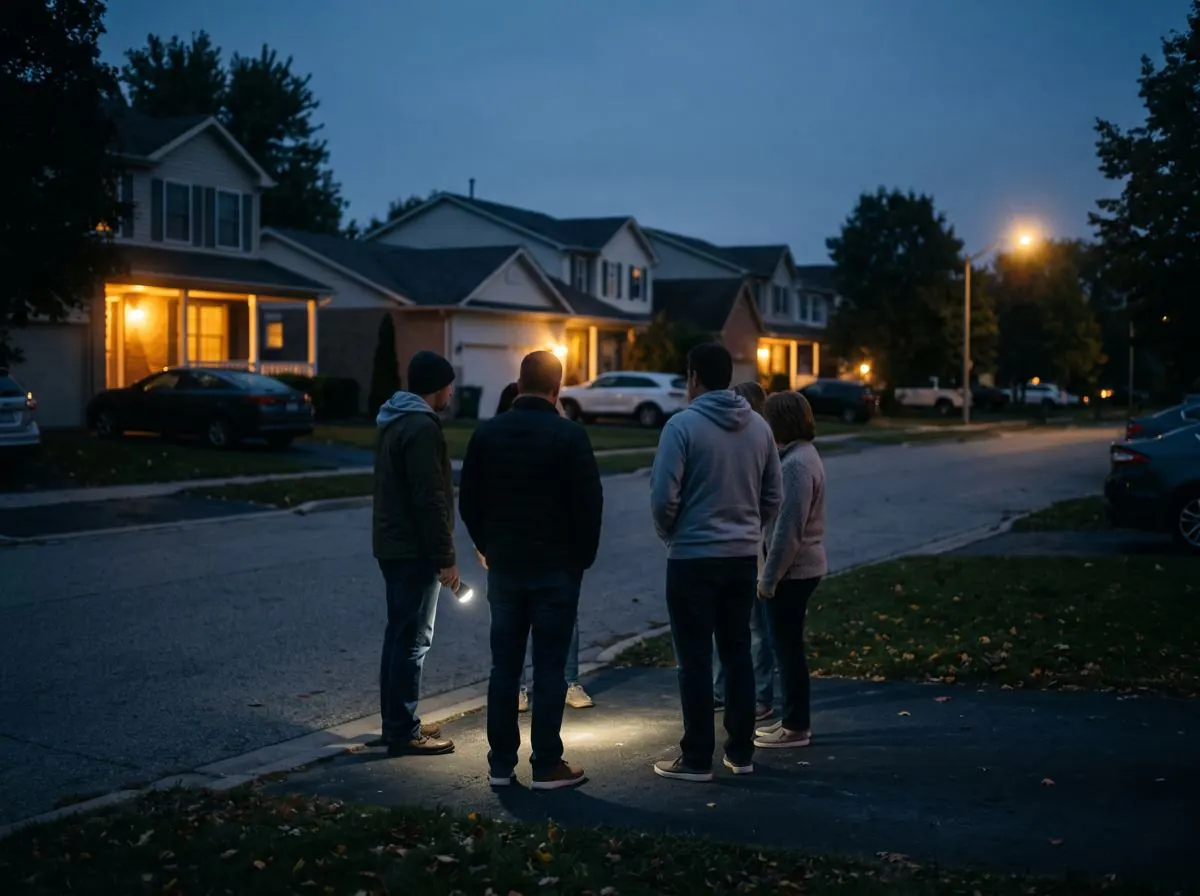
In the first hours, the people who help you are the ones next door. An organized street holds out better than an isolated house.
Panic buying empties stores and raises prices for everyone. Add one or two items every time you shop.
Rotate water and food, replace batteries and check medicines every six months.
A drill once a year shows what fails: the flashlight with no batteries, the valve that won't turn, the meeting point nobody remembers.
No alarmism and no theories. Official alerts, international bodies and what you can verify.
Complete the first level before moving on to the next. Your checkmarks are saved only in this browser.
The minimum the European Union has asked of its entire population since 2025.
The 72-hour minimum is what the European Commission has recommended since March 2025. The go-bag for leaving home, with three budgets, is in the preparedness test.
Stage 2 · Supplies · 2 weeks
To stay home without going out during a long blackout, an epidemic or a shortage.
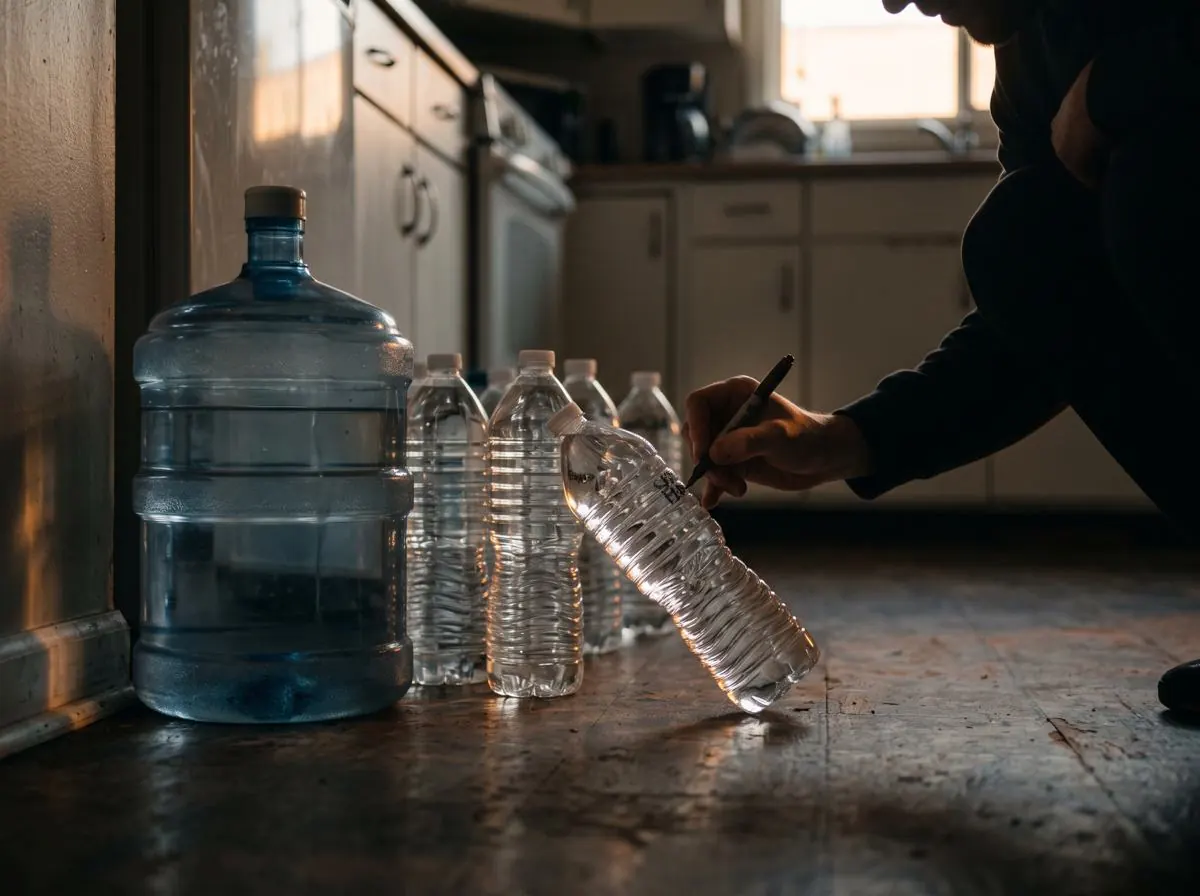
Without safe water, you are in trouble within three days. Store it, rotate it and learn to purify it.
Open the water guideInside: the essentials, step by step, and the most common mistake.
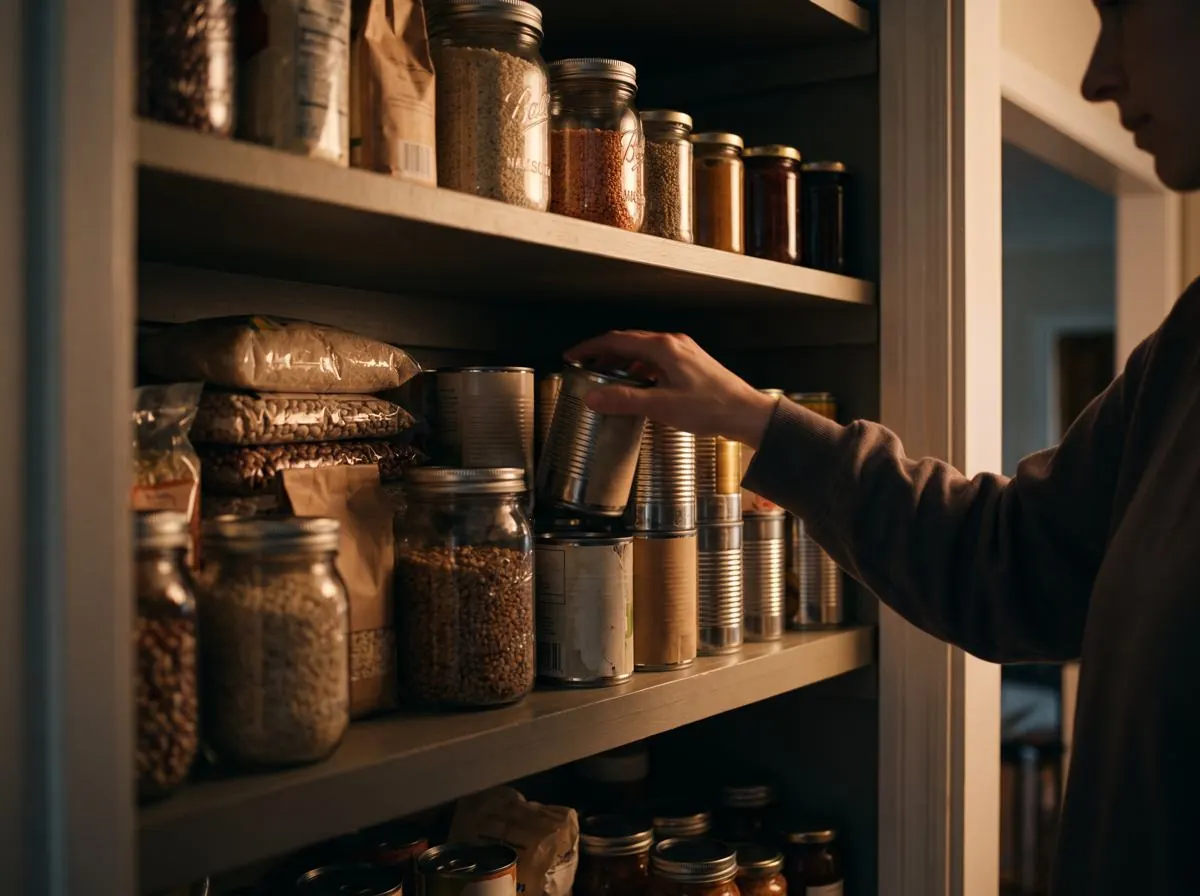
A pantry you rotate is worth more than a bunker you forget.
Open the food guideInside: the essentials, step by step, and the most common mistake.
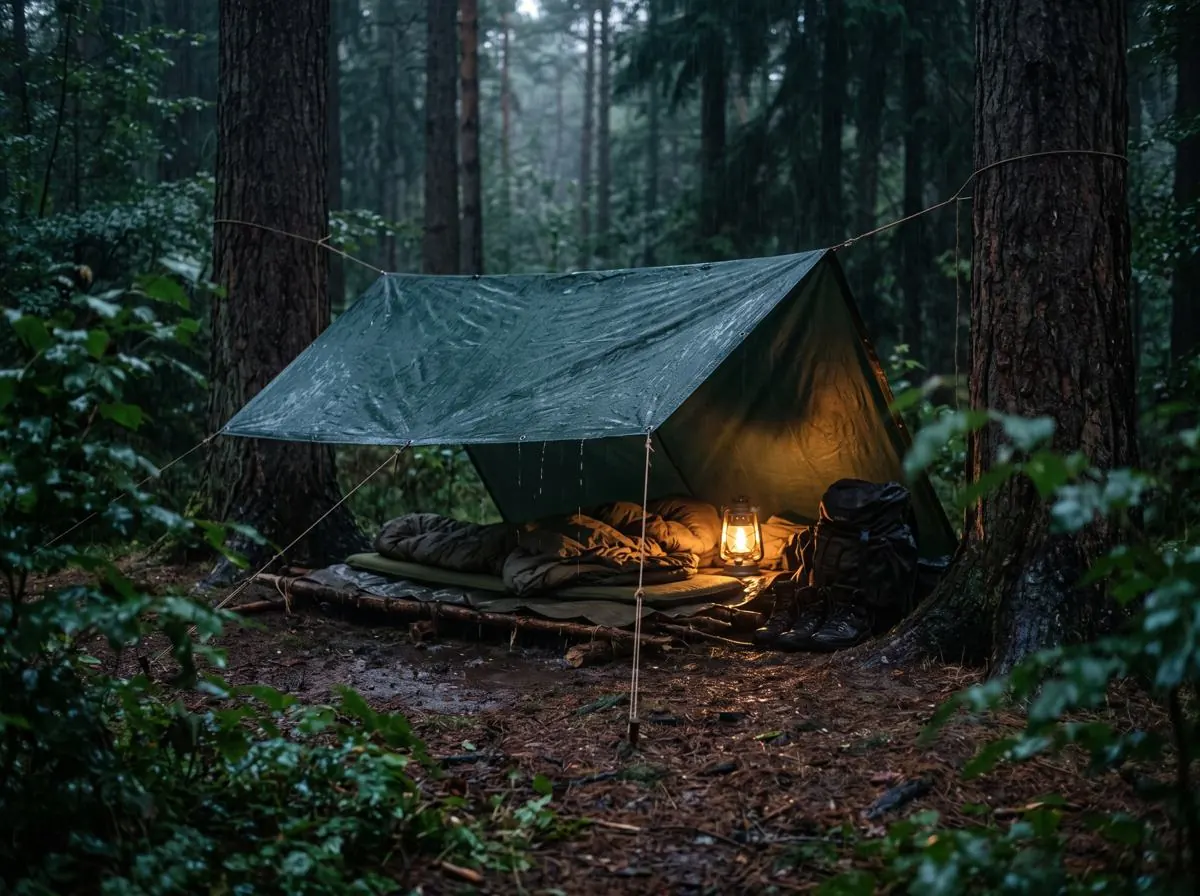
Cold and rain kill before hunger does. Stay dry and insulated from the ground.
Open the shelter and warmth guideInside: the essentials, step by step, and the most common mistake.
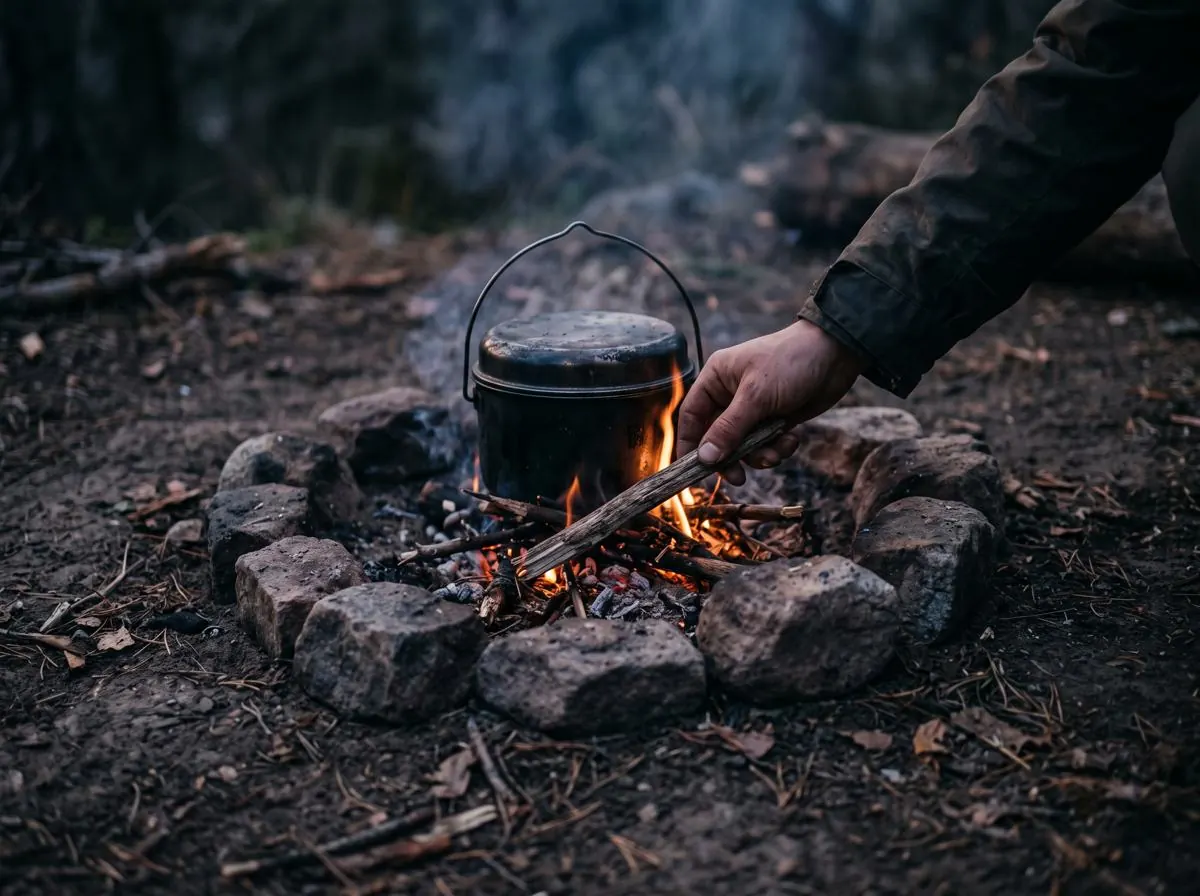
Fire gives you warmth, safe water and morale. Always keep it under control.
Open the fire and light guideInside: the essentials, step by step, and the most common mistake.
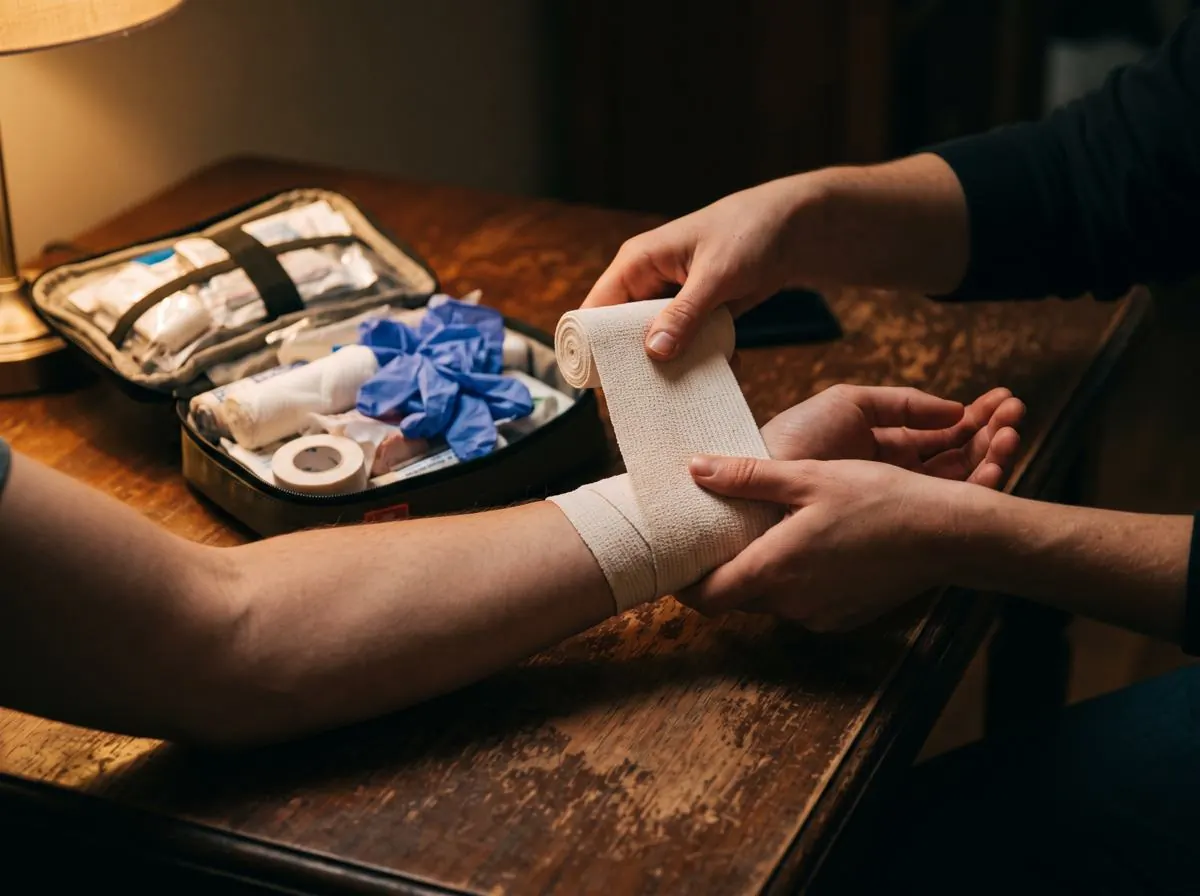
The first minutes are covered by whoever is next to you. Make it you.
Open the first aid guideInside: the essentials, step by step, and the most common mistake.
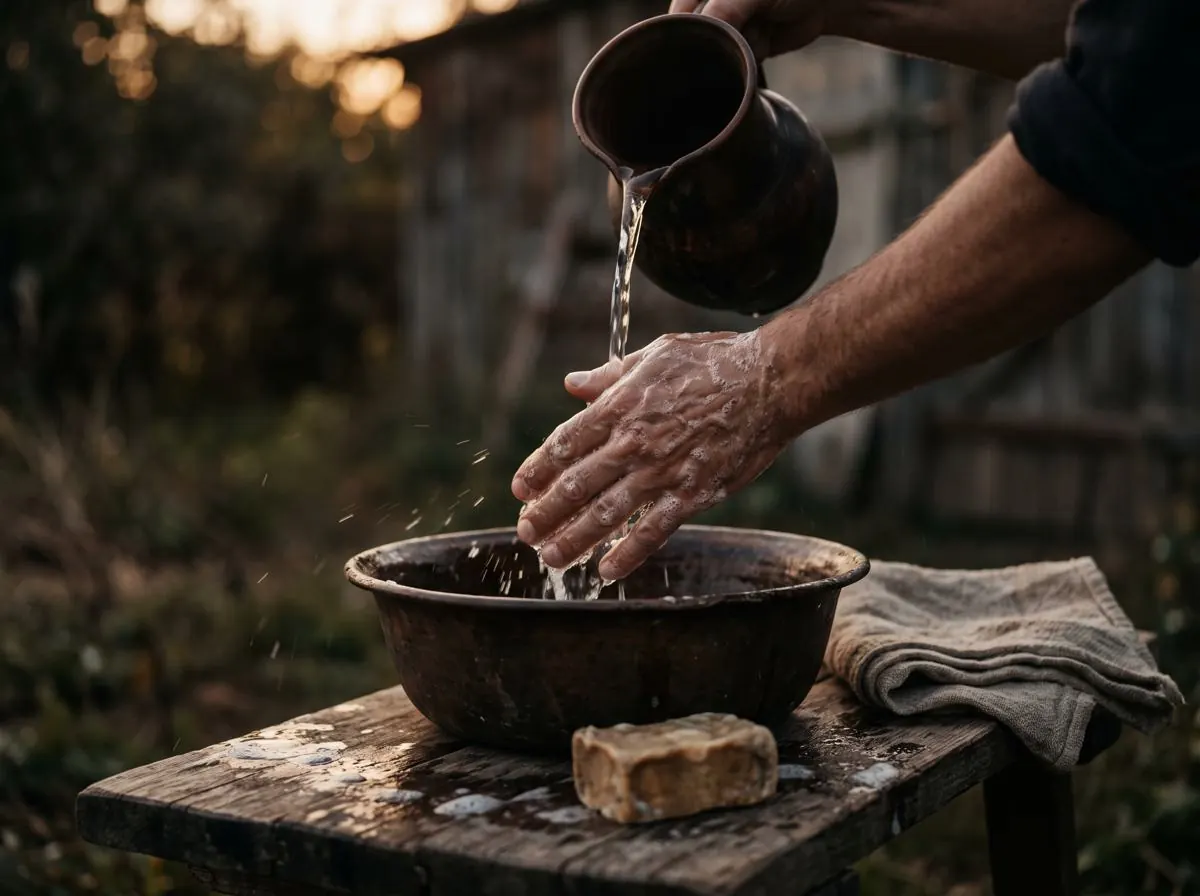
After a disaster, diarrhea and infections kill silently.
Open the hygiene and sanitation guideInside: the essentials, step by step, and the most common mistake.
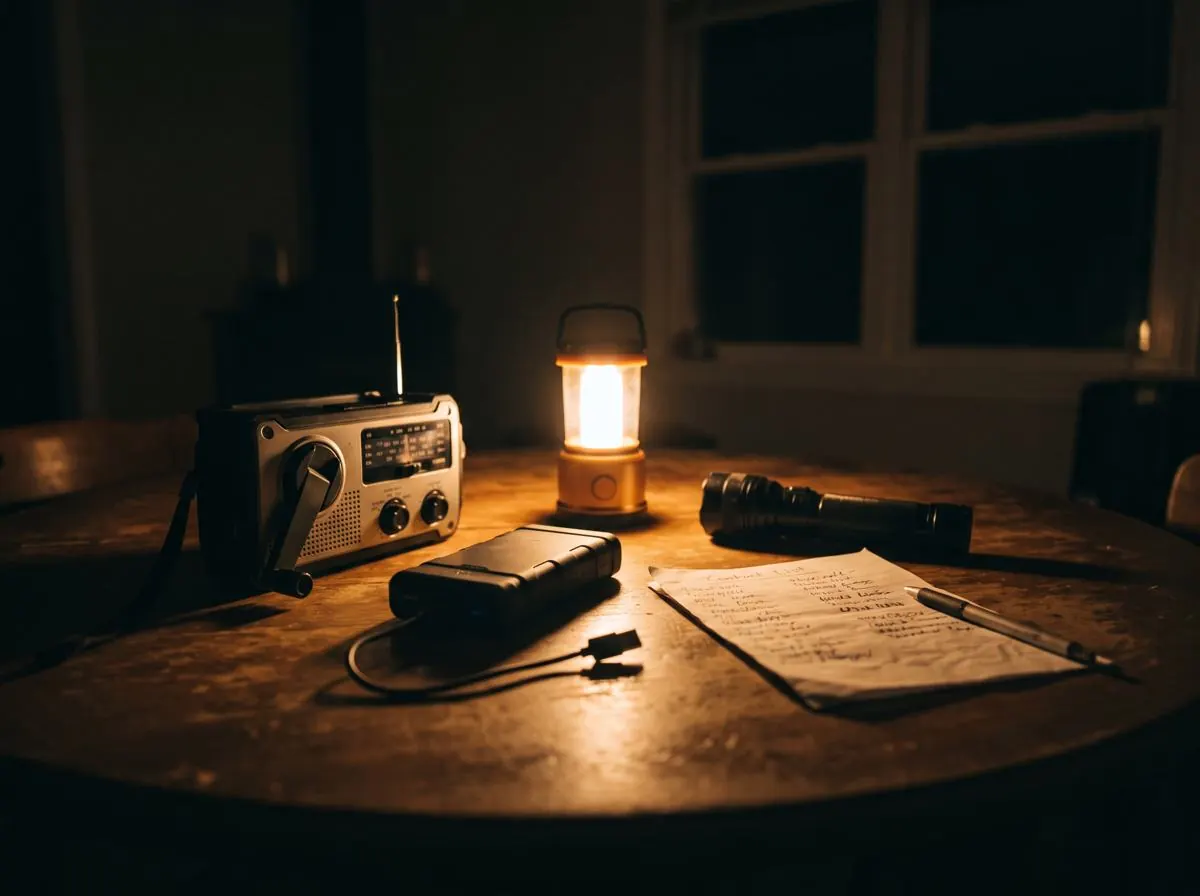
When the grid goes down, whoever has a plan, a radio and batteries wins.
Open the power and communication guideInside: the essentials, step by step, and the most common mistake.
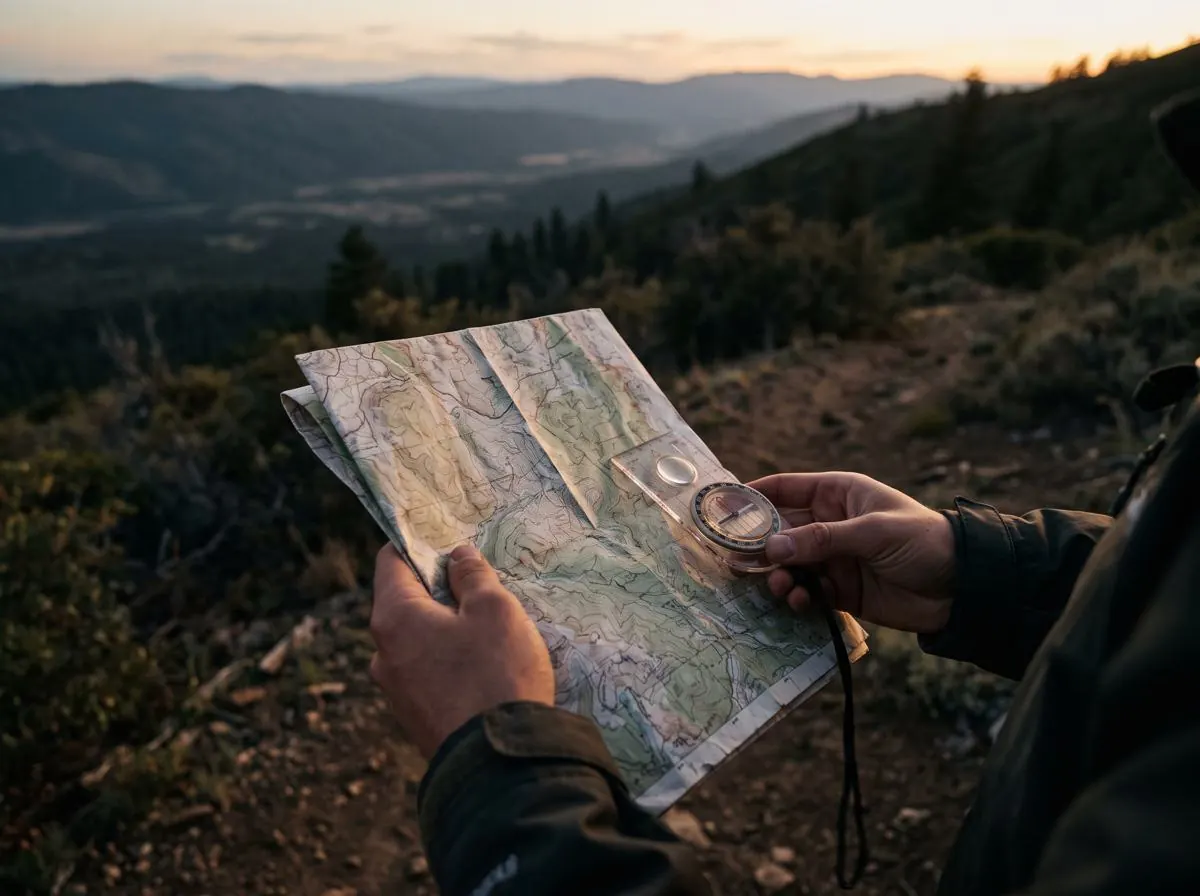
GPS depends on battery and signal. Your head doesn't.
Open the navigation guideInside: the essentials, step by step, and the most common mistake.
The best defense is not being a target and not being alone.
Open the security guideInside: the essentials, step by step, and the most common mistake.
Fear is normal. What makes the difference is knowing what to do with it.
Open the mind in a crisis guideInside: the essentials, step by step, and the most common mistake.
Guides for your home when the power, gas or water are out, or no one can come to fix it: fuel and generator, simple repairs, how to shut off the gas, water and power, how to get through the cold and the heat, how to get alerts by radio and how to mend your clothes.
Guides so your body can last when transport fails: physical fitness.
Guides for storing the food you will actually eat so it doesn't spoil: rotating pantry and shopping plan.
Three guides for your family: what each person at home needs, how to find each other if there is no phone and how to prepare the children.
A guide for when an emergency catches you far from your go-bag: the car, work and what you carry on you.
Two guides so a crisis does not leave you without money or papers: a fund, cash, copies, insurance and what to do if you lose income.
Each reading is based on an official document you can open and check for yourself.
International bodies and humanitarian standards. First aid techniques are truly learned in an in-person course. For the full manuals, open the manual library.
If you don't know the local number, try 112 from a cell phone: it works in the European Union and many other countries.