HomeStage 2 · Your home without servicesFuel and generator guide: how to use them safely
By Global PrepperUpdated 5 official sourcesHow we make the guides
Stage 2 · Fuel and generator guide: how to use them safelyFuel and generator: store them and use them safely
A generator gives you power when the grid is down, but it kills if used wrong: through carbon monoxide, fire or electric shock. Learn to store fuel and use the generator before the outage.
- Outside and 6 m (20 ft) away: the generator never goes into the house, the garage or the porch.
- Carbon monoxide can't be seen or smelled: install battery alarms and test the batteries every month.
- Off and cool before you add fuel.
- Never into a wall outlet: you can electrocute utility workers and your neighbors.
Store fuel safely
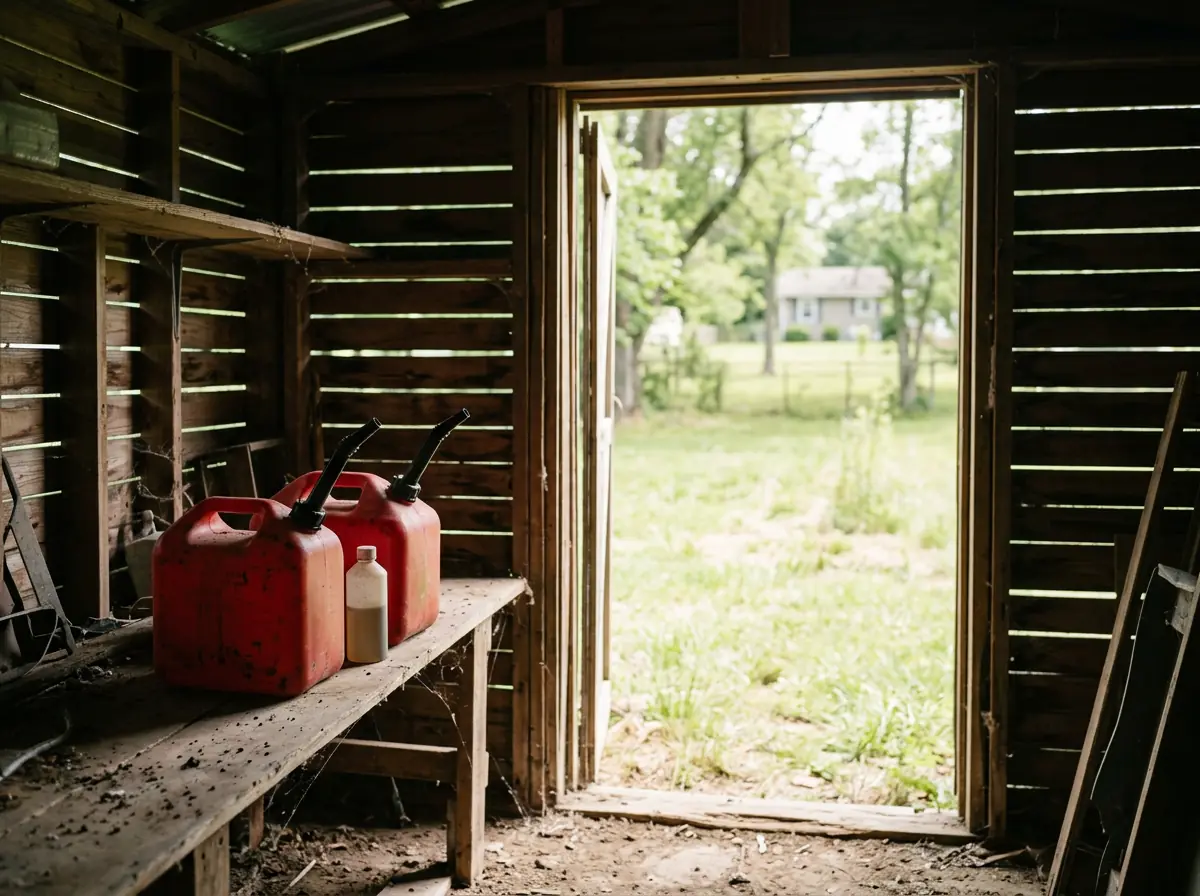
- Safety containerLabeled, with a spout and not made of glass. No jars or milk jugs.
- Outside the houseIn a well-ventilated shed or a separate garage, away from children and from appliances with a flame, such as a gas heater.
- Fill it almost fullIf you store it for more than a month, leave the container at 95%: that leaves room for it to expand and lets in little air, which causes condensation and water.
- Stabilizer and checksAfter 30 days, add stabilizer (if the gasoline contains ethanol, one made for that type). Check containers and tanks once a month: they must not leak.
- Gasoline bought more than 30 days ago already counts as old. One way to use it up is to mix it into a car's tank: one part old to five parts new.
Gasoline, propane and kerosene: never inside the living space. A spill onto a flame or a hot part can catch fire.
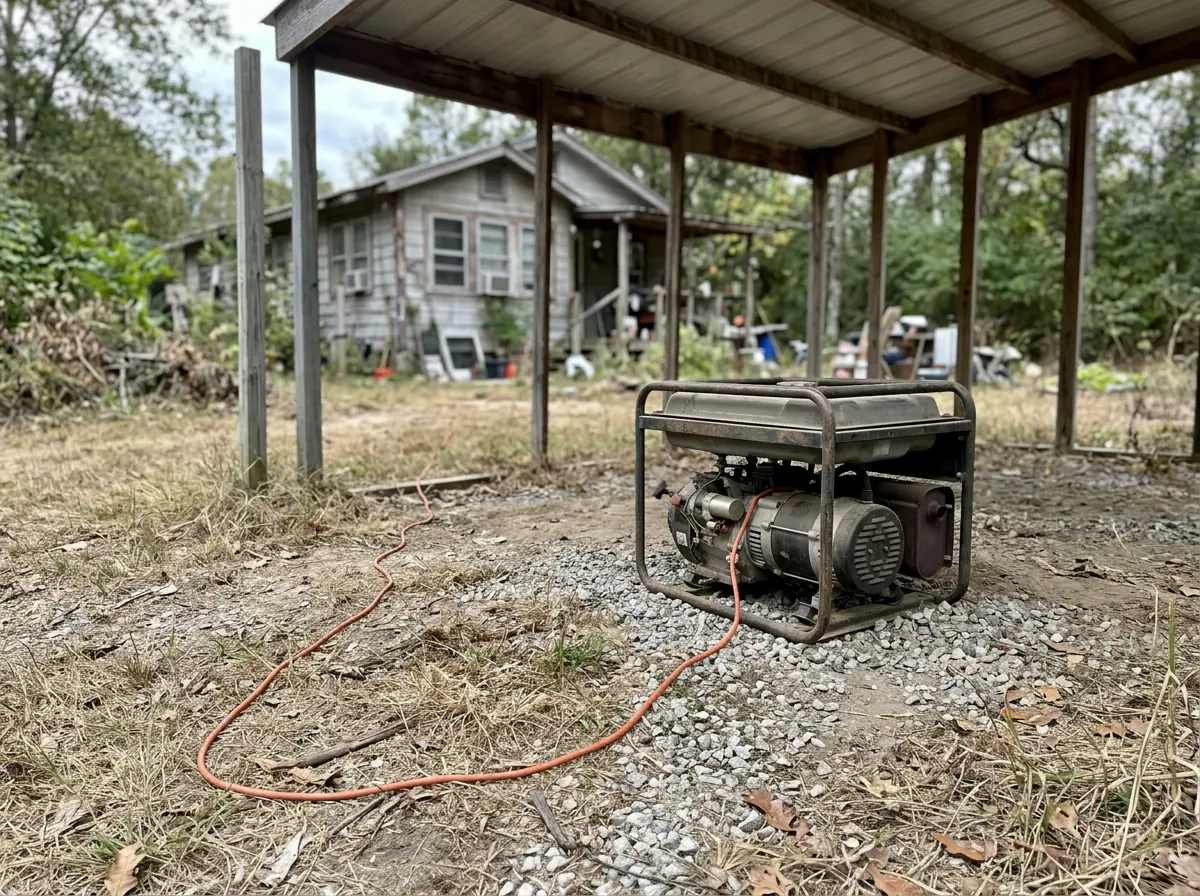
The generator goes always outside
- 6 m (20 ft) from the houseAt least 6 m (20 ft), with the exhaust pointed away from doors, windows and vents. Never in a garage, a basement, a shed or a porch, not even with the door open or a fan running.
- Dry and under an open roofIf it rains, put it under an open canopy, on a dry surface where water won't pool, and dry your hands before touching it.
- Heavy-duty cordsRated for outdoor use, with no cuts and all three prongs, able to carry more watts than the total of what you plug in, and not pinched by a door or window.
- Off and cool to refuelTurn it off and wait for it to cool before adding fuel: a spill onto hot parts can catch fire.
Never plug the generator into a wall outlet to power the house: you can electrocute utility workers and your neighbors.
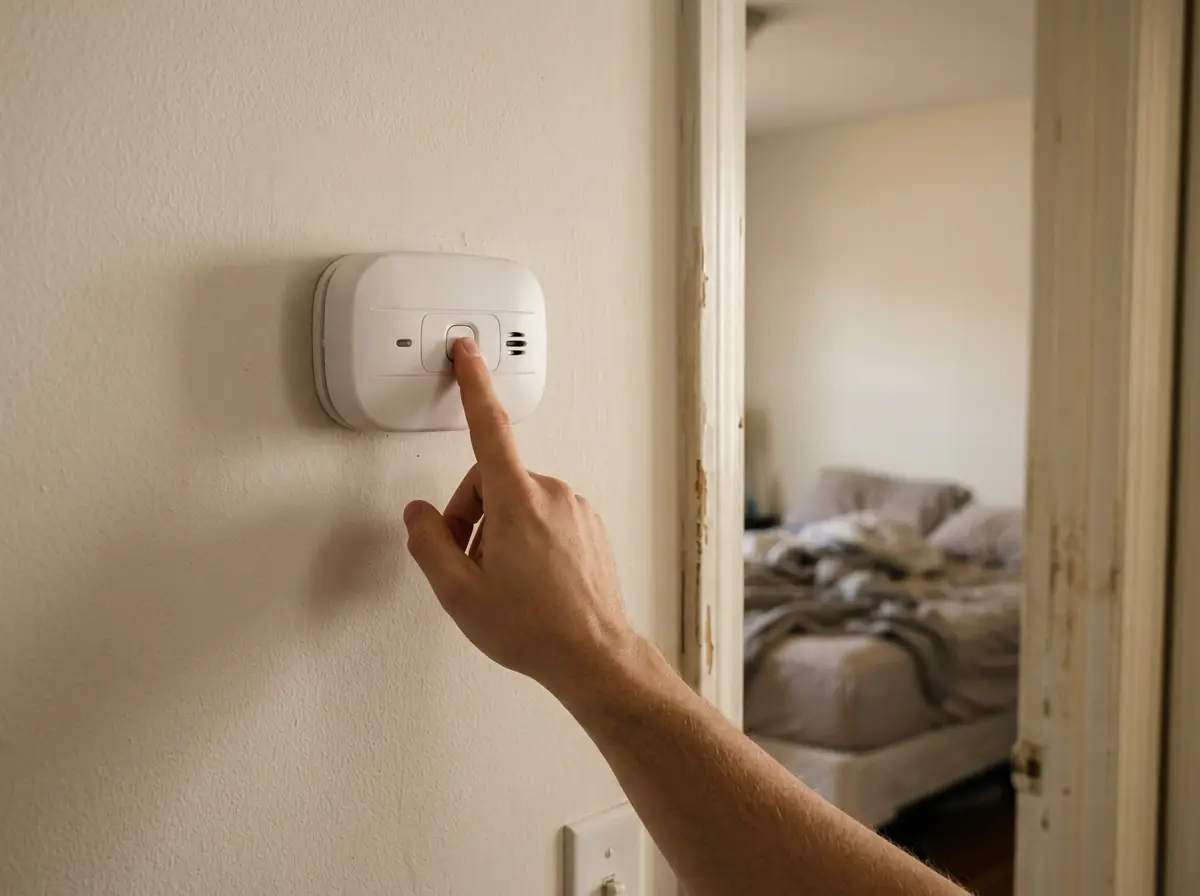
Carbon monoxide can't be seen or smelled
- Nothing that burns, indoorsGenerator, grill or any gasoline, propane or charcoal appliance: not inside the house, the garage or the porch, and not near doors, windows or vents. And don't heat the house with the gas oven.
- Carbon monoxide alarmsBattery-powered or with battery backup, outside bedrooms and on every floor, certified to UL 2034, IAS 6-96 or CSA 6.19.01. Test the batteries every month.
- The symptomsHeadache, dizziness, weakness, nausea, vomiting, sleepiness and confusion.
- If it sounds or you feel unwellGet outside into fresh air right away and call emergency services.
Not with fans or open doors: in an enclosed space, carbon monoxide reaches deadly levels very fast. In the U.S. alone, portable generators kill more than 80 people a year.
Check what you already have
0 of 5 · Saved only on this device.
- Starting the generator in the garage, on the porch or next to a window «just for a while».
- Storing gasoline in jars or bottles, or inside the house.
- Adding fuel while the generator is running or hot.
Sources: CPSC · what you need to know about portable generators · CPSC · portable generator safety alert · CDC · how to prevent carbon monoxide poisoning · Maine Emergency Management Agency · generator safety · Maine Department of Environmental Protection · how to store and handle gasoline