HomeStage 2 · Your home without servicesCold and heat inside your home: how to get through them without heating or air conditioning
By Global PrepperUpdated 3 official sourcesHow we make the guides
Stage 2 · Cold and heat inside your home: how to get through them without heating or air conditioningCold and heat at home: get through them without heating or AC
Without heating or air conditioning, your home can become dangerous for babies, older people and the sick. Three steps: keep the warmth in one room, keep the house cool and recognize when someone is getting sick.
- Cold: one room, dry layers and nothing that burns indoors.
- Heat: shade by day, water without waiting to feel thirsty and a cool place for a few hours.
- A fan does not lower body temperature when it is very hot.
- Red, hot, dry skin, or confusion: heat stroke. Call emergency services.
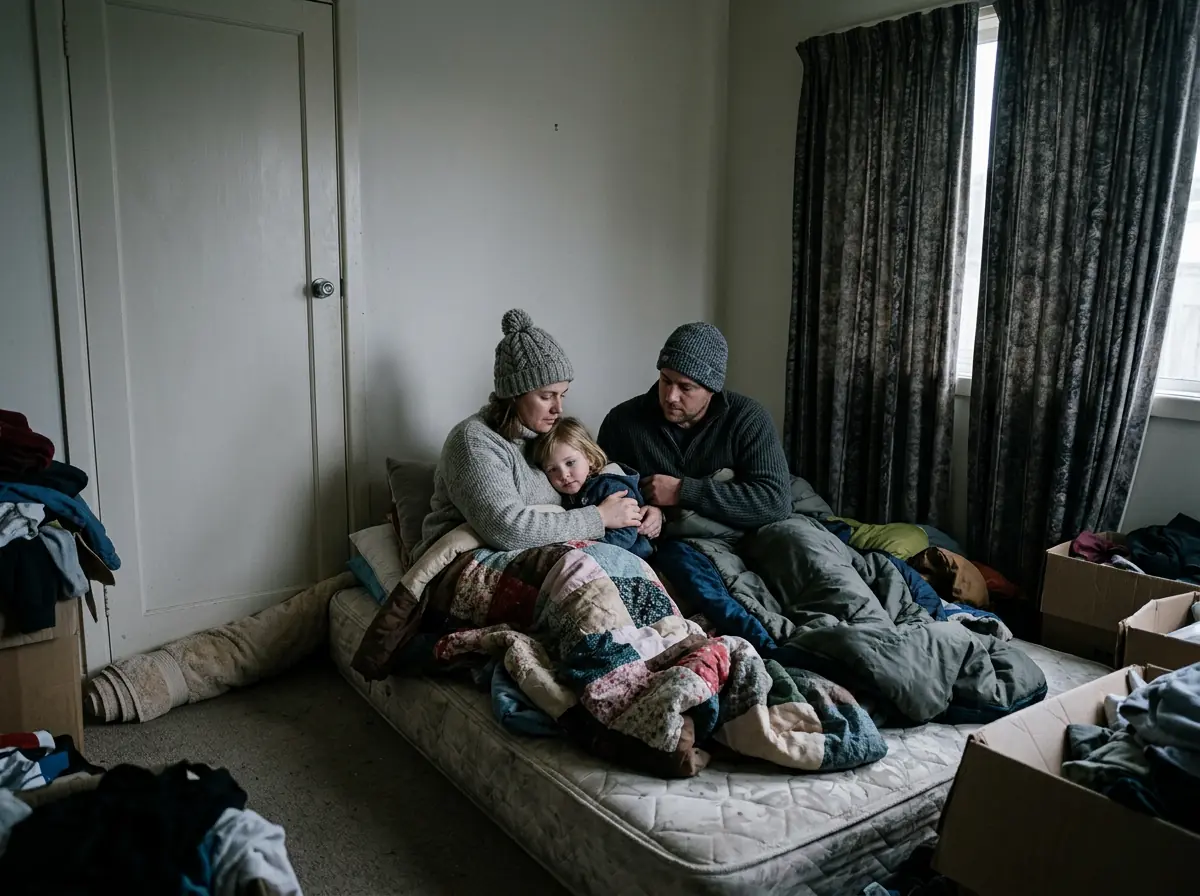
If the heating fails: one room, layers and nothing that burns indoors
- One roomClose off the rooms you do not need, stuff towels under the doors, close the curtains at night and avoid opening doors and windows.
- Dry layersA wool or synthetic inner layer, a layer that insulates and an outer layer that blocks wind and water; a hat, a scarf and gloves. Stay dry and take off a layer if you start to sweat.
- Warmth from the insideEat well and drink hot, sweet drinks or broth.
- Light without fireUse battery flashlights or lanterns instead of candles. If a candle is lit, never leave it alone.
Never heat the house with the oven or the stove. Generators, grills and camp stoves go outside, and the generator goes 6 m (20 ft) from windows, doors and vents. Put in a battery-powered carbon monoxide alarm.
- An electric heater must have an automatic shut-off and be 1 m (3 ft) from curtains, furniture and beds, without an extension cord and with no children alone nearby.
If the air conditioning fails: shade, water and a cool place
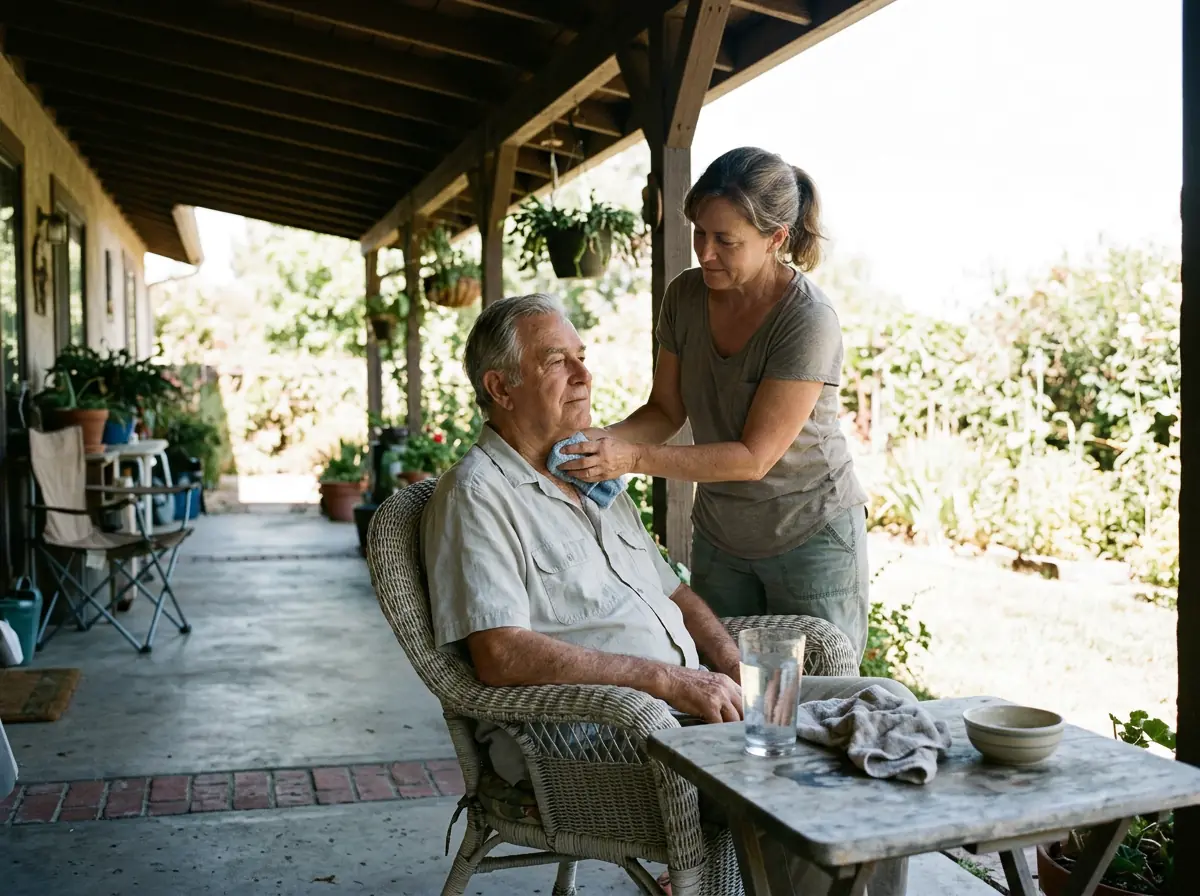
Without air conditioning, the goal is to let less heat in and to cool your body.
- Block the sunBy day, close the curtains or blinds and use reflectors on the glass. Put weather stripping on doors and windows.
- Drink and cool offDrink water regularly, without waiting to feel thirsty. Take cool showers or baths and wear loose, light-colored clothing.
- Cook lessUse the stove and the oven less so you do not heat the house.
- A cool placeSpend a few hours somewhere with air conditioning, such as a library or a mall: even a few hours help. Your local health center knows where the shelters are.
A fan is not enough when it is very hot: it moves the air but does not lower your body temperature. Never leave a person or a pet in a closed car.

Recognize heat stroke and hypothermia
- Heat strokeRed, hot, dry skin with no sweating; a temperature above 39 °C (103 °F), a rapid, strong pulse, dizziness or confusion. It is an emergency: call emergency services, move the person into the shade, take off their outer clothing and put cold, wet cloths or ice on the head, neck, armpits and groin.
- Heat exhaustionHeavy sweating, paleness, cramps, tiredness, dizziness, headache, nausea or fainting. Move the person to a cooler place, take off excess clothing and give sips of water. If it gets worse or lasts more than an hour, get medical care.
- HypothermiaAdults: shivering, tiredness, confusion, clumsy hands, memory loss, slurred speech and drowsiness. Babies: bright red, cold skin and very little energy. Below 35 °C (95 °F) it is an emergency: get medical care and, if help does not arrive, try to warm the person.
- Babies and older peopleA baby under one year old should not sleep in a cold room or with pillows or soft bedding; if you cannot warm the house, find somewhere else to stay. Check on your older neighbors and have them check on you.
Alcohol and caffeine make you lose heat faster. Do not use them to «warm up».
Check what you already have
0 of 5 · Saved only on this device.
- Heating the house with the oven, the stove or a grill.
- Relying only on a fan when it is very hot.
- Leaving a baby or an older person in a very cold or very hot room without checking on them.
Sources: CDC · heat and people without air conditioning · Ready.gov · prepare for extreme heat · CDC · safety during and after a winter storm