HomeStage 2 · Your home without servicesSimple repairs guide: sewing, unclogging, fuses
By Global PrepperUpdated 6 official sourcesHow we make the guides
Stage 2 · Simple repairs guide: sewing, unclogging, fusesSimple repairs: sew, unclog and change the fuse
When no one can come to fix something, you handle the basics yourself: a seam, a clogged drain or a blown fuse. Learn to do it right and safely.
- Doubled thread and a knot at the end; for a button, a toothpick under the thread.
- Plunger first: down slowly, up fast. Never after a chemical drain cleaner.
- Same-amperage fuse: never a bigger one, never a coin.
- If the problem comes back, call an electrician. Don't open the panel cover.
Sew by hand
- Doubled thread and a knotFold the thread so it is doubled (for a button, about 40 cm (16 inches); a single strand is weak), pass it through the needle and tie a knot joining both ends.
- Running stitchPush the needle in and out of the fabric, with stitches of about 6 mm (¼ inch), all the same size. It is for closing an open seam.
- Overcast stitchTo keep an edge from fraying, make diagonal stitches over the edge of the fabric, starting about 6 mm from the edge.
- A button with two or four holesPush the needle up from the wrong side at the mark, pass it through one hole and back down through the opposite one. Put a toothpick under the thread to leave some room and make a few more stitches. Remove the toothpick, wind the thread around the stitches under the button and finish with a knot on the inside.

Unclog without chemicals
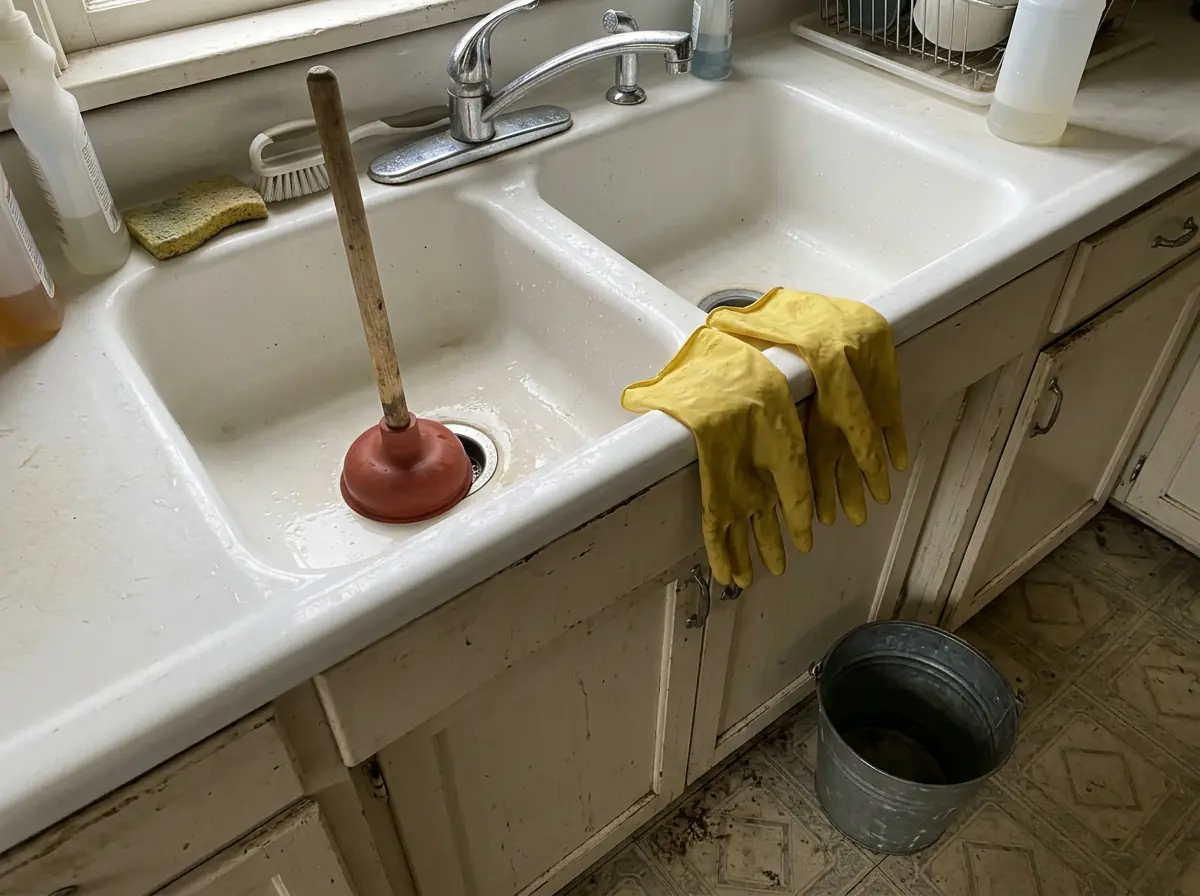
- Look first and wear glovesWith rubber gloves, take out whatever you can see (a toy, paper). Sometimes paper comes out with a wire hanger.
- Cup plungerPlace it over the hole at the bottom, push down slowly and pull up fast, 20 to 30 times. Then flush or pour in water. In a bathroom sink or a kitchen sink, fill it with a little water so the cup seals.
- If it won't clearRemove and clean the trap under the cabinet. If it's still clogged, use a drain snake with a push-and-twist motion. When the water runs, put everything back together and rinse with plenty of cold water.
- If the water risesBail water out of the bowl with a container so it doesn't overflow and plunge again. If it persists, call a plumber.
A chemical drain cleaner is caustic or acidic and harms skin and eyes. Don't use it on a completely clogged drain, and never use the plunger after pouring it in.
Change the fuse or reset the breaker
- Find the cause firstBefore restoring power, find what knocked it out: frayed wires, overloaded outlets or a faulty appliance. Unplug the last thing you plugged in. Add up the watts on that circuit: about 1,500 W on a 15 A circuit and 2,000 W on a 20 A one.
- Reset the breakerIf it is a circuit breaker, switch it fully off and then back on.
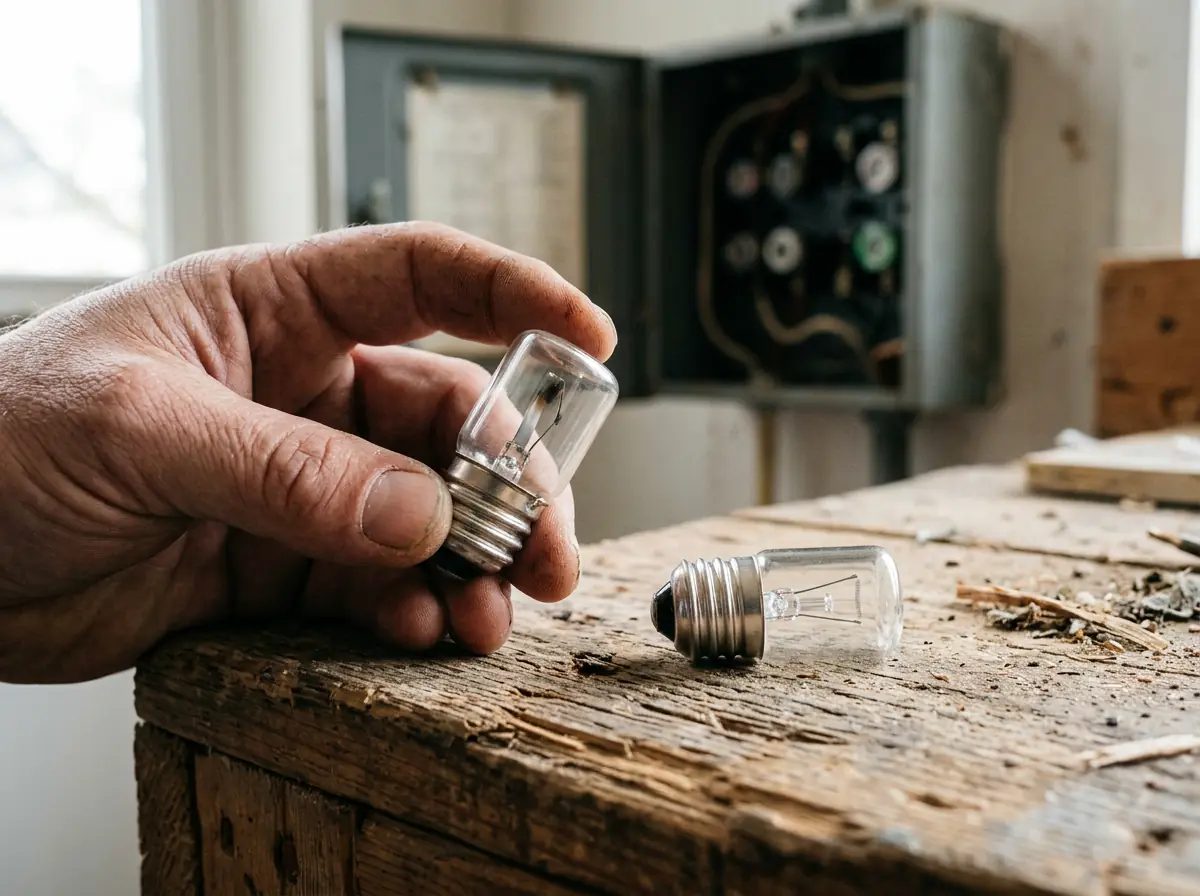
- Change the fuseA blown one has a broken metal strip at the top. Replace it with one of the same amperage. If you don't know which, use a 15 A one, unless you are sure the circuit is a 20 A one.
- If it keeps happening, call an electricianIf it happens again, or there are frayed wires, hot outlets or switches, sparks or shocks, it is a job for an electrician. Don't open the panel cover.
Never put in a bigger fuse or a coin: the wires overheat and can start a fire.
Check what you already have
0 of 5 · Saved only on this device.
- Putting in a bigger fuse, or a coin, because it blows often.
- Using the plunger after pouring in a chemical drain cleaner.
- Resetting the breaker again and again without finding what trips it.
Sources: University of Maine · electrical safety in the home (bulletin 2350) · CPSC · guide to home wiring hazards · University of Florida · how to sew on a button · Purdue University · hand sewing (Mini 4-H Sewing) · University of Florida · how to unclog a toilet with a plunger (FCS5234-04) · Oregon State University · home plumbing repair (1973)