HomeStage 2 · Your home without servicesHow to shut off gas, water and power, and use a fire extinguisher
By Global PrepperUpdated 8 official sourcesHow we make the guides
Stage 2 · How to shut off gas, water and power, and use a fire extinguisherGas, water, power and extinguisher: know where, when and how
Shutting off the gas, water or power in time prevents bigger damage, but each shutoff has its moment. Learn where they are, when to close them, and when it's better to get out instead of putting out a fire.
- Gas: shut it off only if you smell or hear a leak; only the gas company can turn it back on.
- Water: the main valve of the house, not the valve in the street.
- Power: cut it only from a dry spot. Never step in water to reach the panel.
- Extinguisher: if in doubt, get out and call emergency services from outside.
Find the three shutoffs and mark them
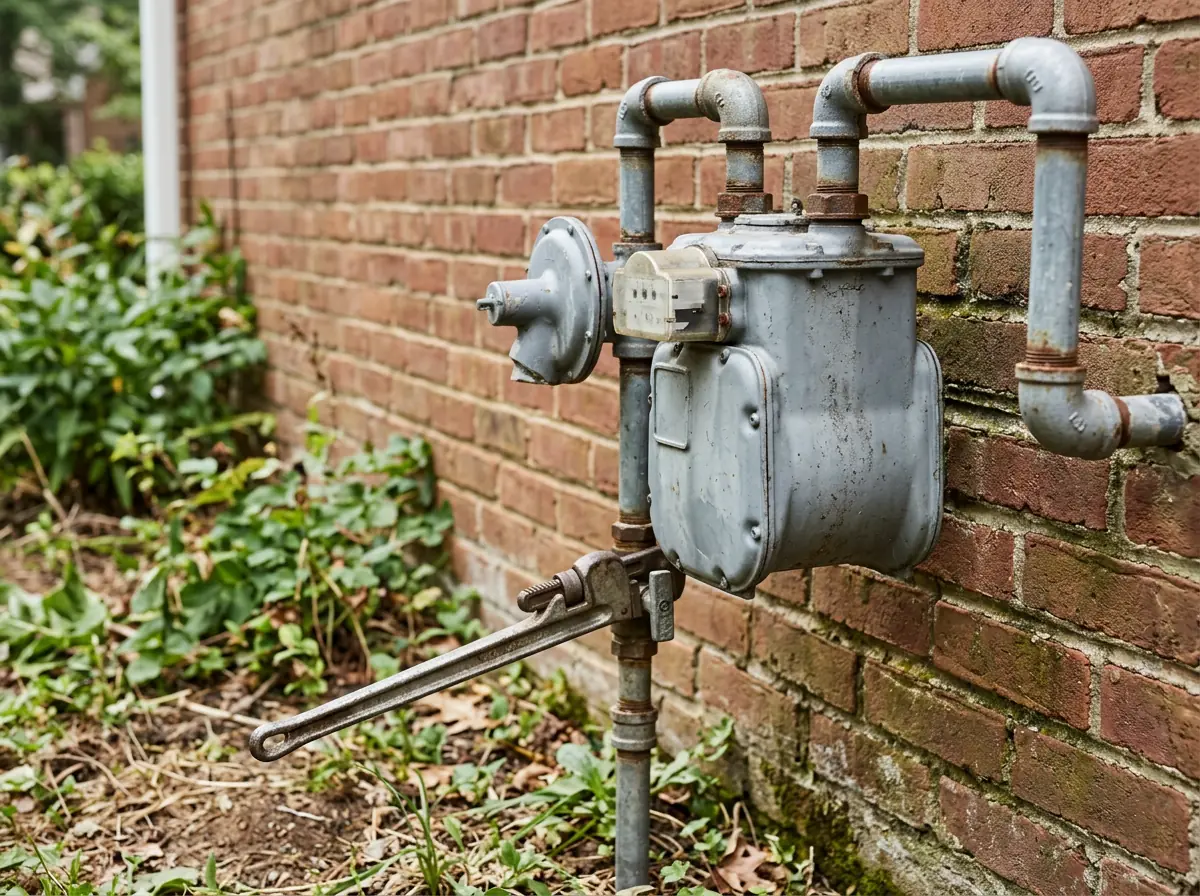
- GasThe meter is usually at the front or on one side of the house; sometimes inside, or at the back in apartment buildings. The valve is the first fitting on the pipe that comes out of the ground next to the meter.
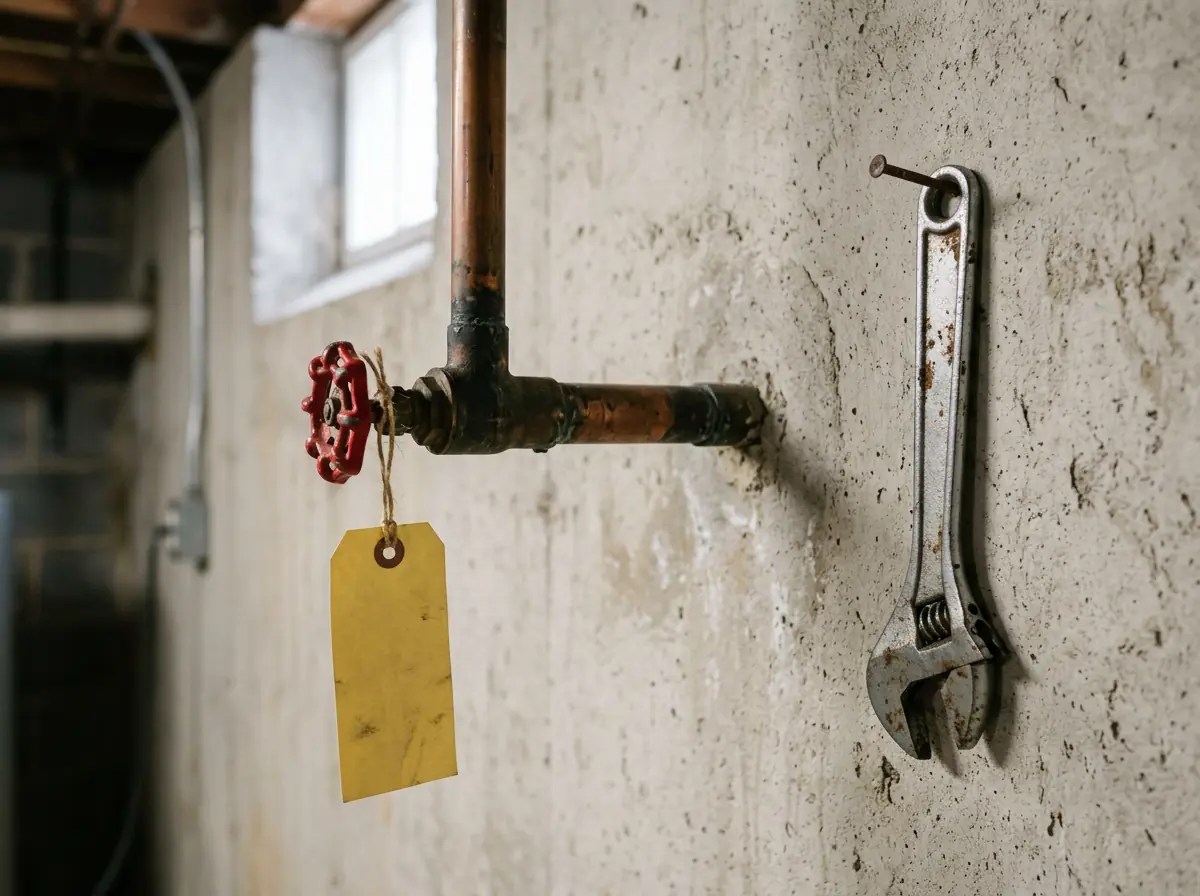
- WaterThe main valve is where the pipe enters the house. The street valve, in a box on the sidewalk, is very hard to turn and needs a special tool. Check that it closes completely; if it is rusted or only closes partway, replace it.
- PowerThe main panel is the fuse box or the breaker box. Teach the responsible members of the household how to cut the power to the whole house.
- Tag and toolsTag each shutoff and show them to everyone at home. Keep nearby a long-handled wrench for the gas and an adjustable pipe wrench for the water.
Learn them beforehand: after a disaster, utility crews and emergency services may be overwhelmed.
Shut each one off when it's time
- Gas: only if you smell or hear a leakIt smells strong and nasty, like a skunk, and hisses or roars. Don't use lights, matches, phones or doorbells inside. Turn off the appliances and, if the valve is within easy reach, give it a quarter turn with the long wrench, until the lever sits crosswise to the pipe. Leave on foot, upwind, and call from outside.
- Water: after damage or if you leaveClose the main valve after a disaster or before leaving home: that way the water heater and the toilet tanks don't drain.
- Power: only from a dry spotCut it at the main panel if water could reach the box or if the authorities ask you to. If you would have to step in water to get there, call an electrician.
- Turning back onThe gas company reopens the gas, and checks and relights your appliances. The power, after a flood, only once an electrician has checked the wiring and everything is dry.
Don't shut off the gas “just in case” or as practice: only a professional can turn it back on, and it can take days or weeks. You may need it to cook or keep warm.
Extinguisher: when yes and when to get out
- Use it only if all of this is trueYou have already alerted the others and someone has called the fire department. You can handle it: young children and older adults should not use it. The fire is small and in one object, like a pan or a bin. There is no toxic smoke and you have a clear way out.
- If in doubt, get outAlert the others, leave the building and call emergency services from your cell phone or from a neighbor's house.
- Pull, aim, squeeze and sweepPull the pin, with the nozzle pointed away from you. Aim low, at the base of the fire. Squeeze the lever slowly and evenly. Sweep from side to side.
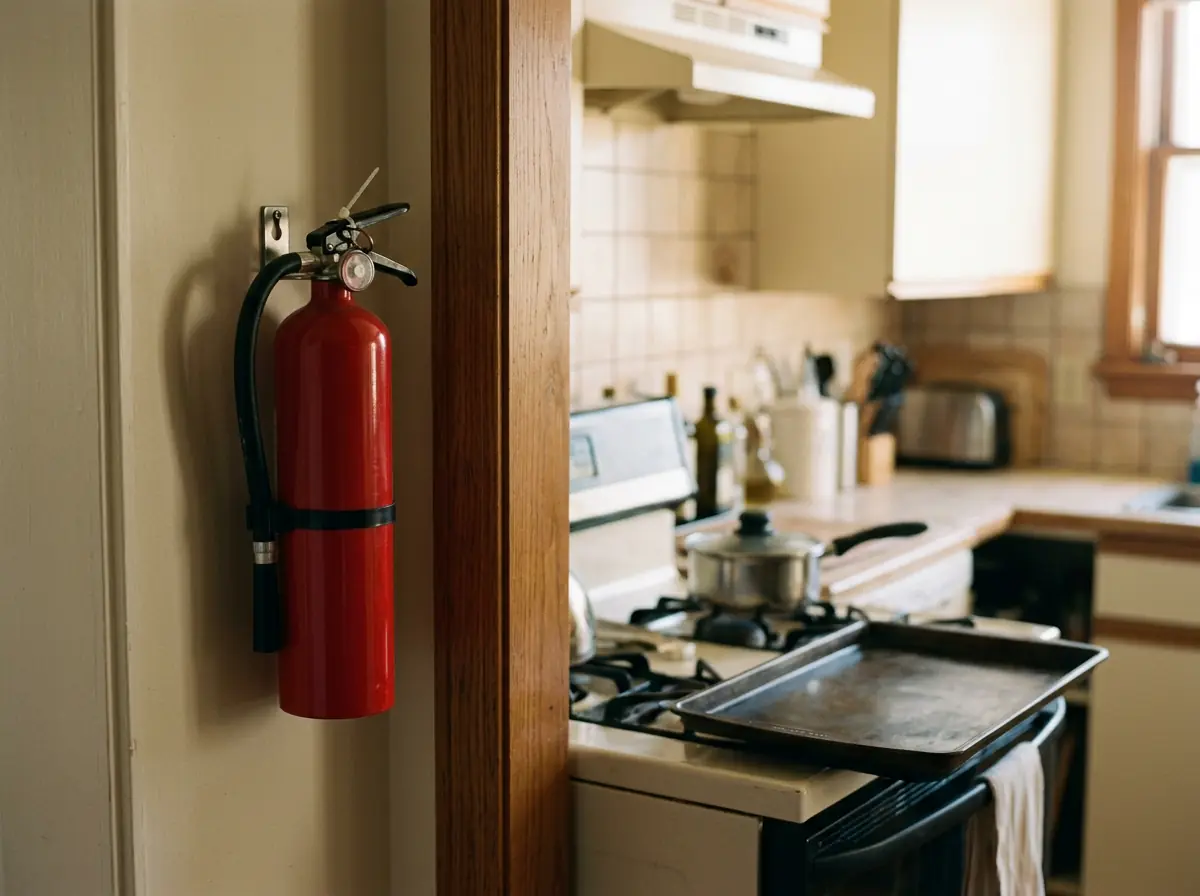
- Fire in a panLeave it where it is, cover it with its lid or a baking sheet and turn off the burner. Don't lift the lid until it cools. If you can't control it, get out and call from outside.
Never use water on a grease or oil fire. Choose an A-B-C extinguisher with a UL mark: the largest one you can handle comfortably.
Check what you already have
0 of 5 · Saved only on this device.
- Lighting a lamp or a match to look for a gas leak.
- Stepping in water to reach the panel and cut the power.
- Staying to fight a fire that is no longer small, or throwing water on a pan of burning grease.
Sources: PHMSA · how to recognize a gas leak and what to do · City of Seattle · controlling utilities after a disaster · University of Florida · what to do with utilities before evacuating (FY616) · CDC · safety when returning to a flooded home · American Red Cross · earthquakes: gas, utilities and fires · USFA · portable fire extinguishers · USFA · cooking safety (fact sheet) · Ready.gov · home fires