HomeStage 2 · Your familyTeaching children what to do in an emergency
By Global PrepperUpdated 4 official sourcesHow we make the guides
Stage 2 · Teaching children what to do in an emergencyTeaching children: what to know, how to practice and how to talk to them when it happens
Children cope with an emergency better when they know what to do and who to call. Three steps: what they should know, how to practice as a family and how to talk to them when it happens.
- Know: their address, their parents' phone numbers and who to call first.
- Carry: an emergency card in their backpack.
- Practice: build the kit and go over the plan together.
- Talk: in simple words, with calm and routine.
What they should know: where they live, who to call and where to go
- Their address and phone numbersMake sure they know their address and their parents' phone numbers, and who to call first if you are not there.
- An emergency cardPut a card with emergency contacts, medicines and allergies in their backpack, and check that the school has your details up to date.
- Calling emergency servicesIf they are old enough, teach them to call 911 (or your country's emergency number) and to memorize important phone numbers.
- Where to goThey should know the family meeting place and a safe place in the community to go if they get lost or separated, such as a community center.
If children are evacuated from school, do not go during the emergency: wait until it is over or the school says it is safe to pick them up.
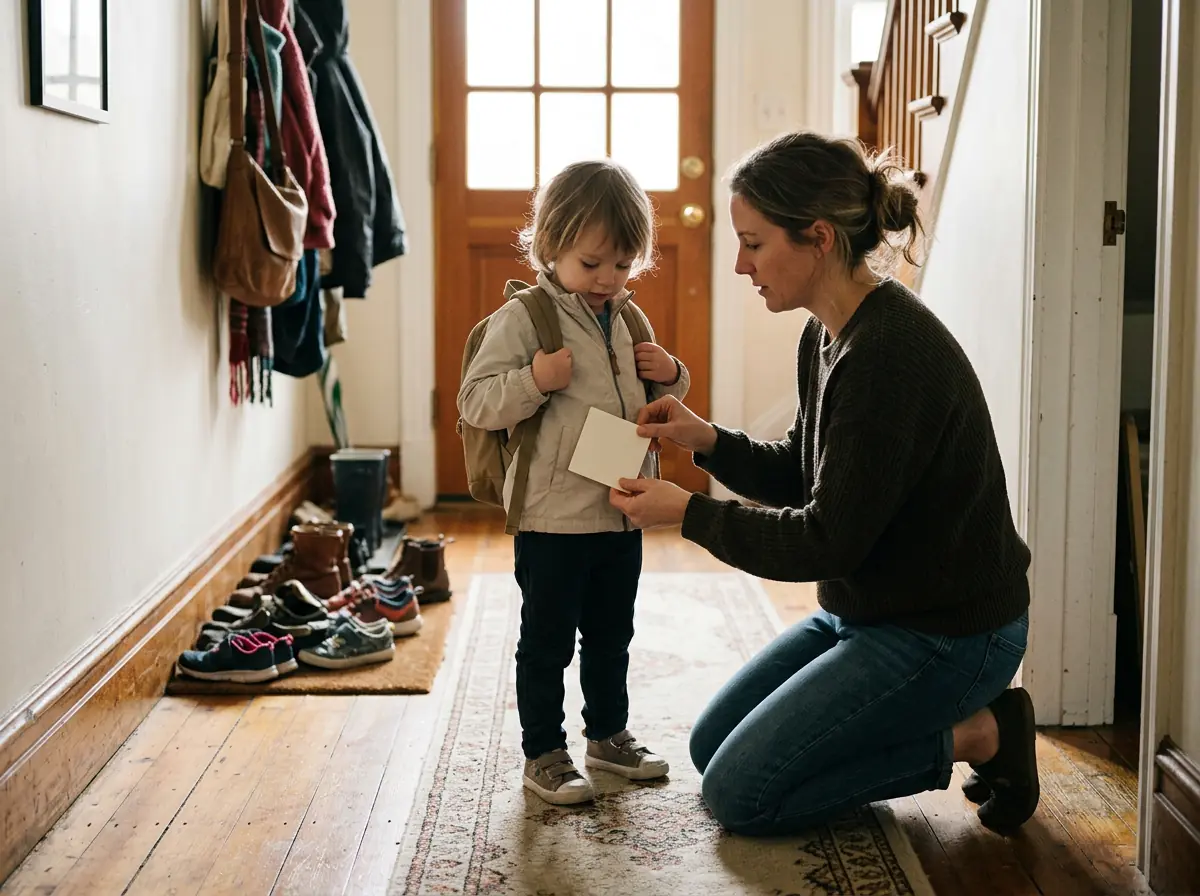
Practice as a family: the kit, the plan and the drills
- Build the kit togetherAsk them what they would put in. Each person needs food, water and medicines for three days; add a flashlight, games and a special toy to calm them.
- Make the plan togetherDecide how to communicate and how to find each other if you are separated, and go over it often.
- Hazards in your areaGo over which emergencies can happen and their warning signs; for a tornado, for example, they should know the signs of an approaching storm and how to take shelter.
- SchoolAsk for its emergency plan, how to contact the staff and how you will be reunited with your child. Talk to the teachers so drills give a sense of control, not fear.
Practice without fear: the plan and the drills should make children feel capable, not scared.
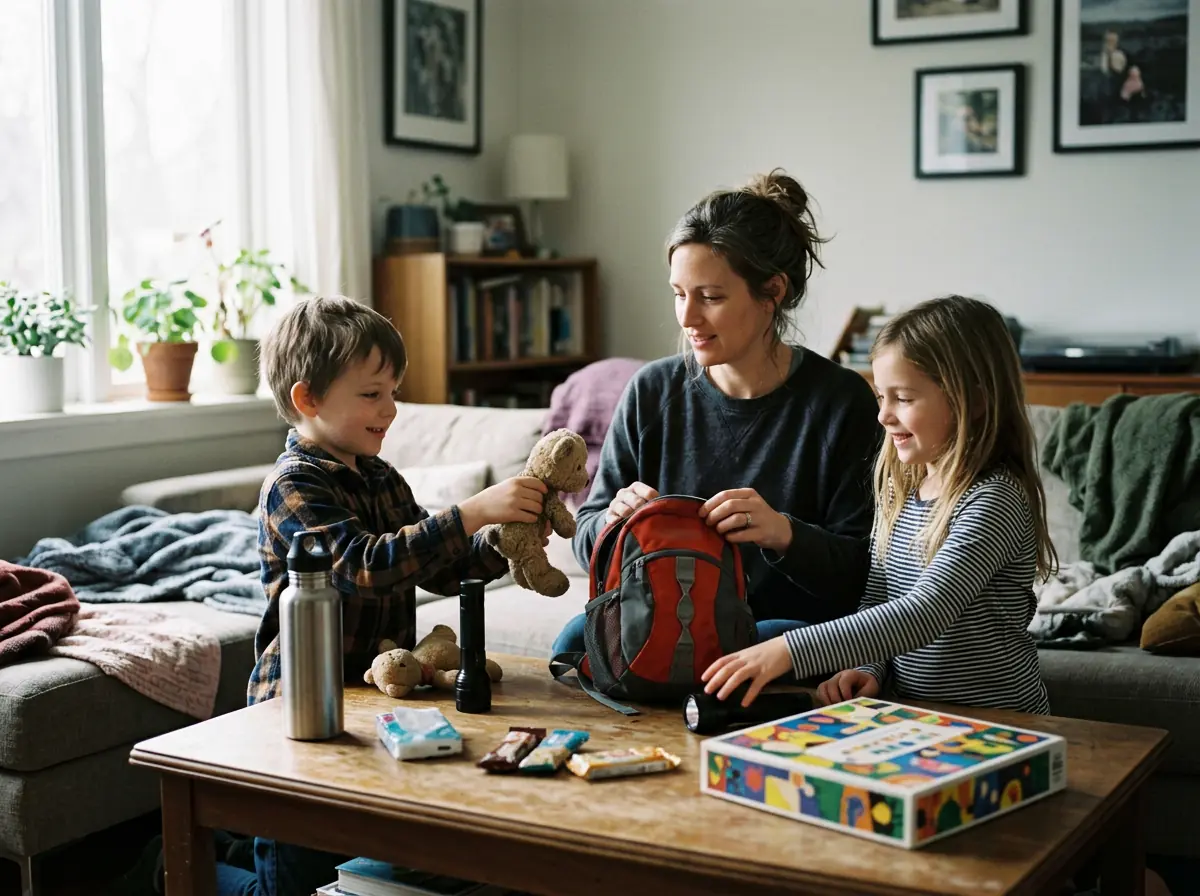
When it happens: calm, simple words and routine
- Stay calmExplain what is happening in simple words. Children handle disruption better when they know it is temporary.
- Young childrenGive them concrete explanations and tell them firefighters, police and paramedics are helping. It is normal for them to cling more or go back to baby behavior, like bedwetting: give them more cuddles and reading.
- Older childrenThey want more information about what happened and the recovery. Limit the news, do not let them watch live broadcasts and watch together what is needed.
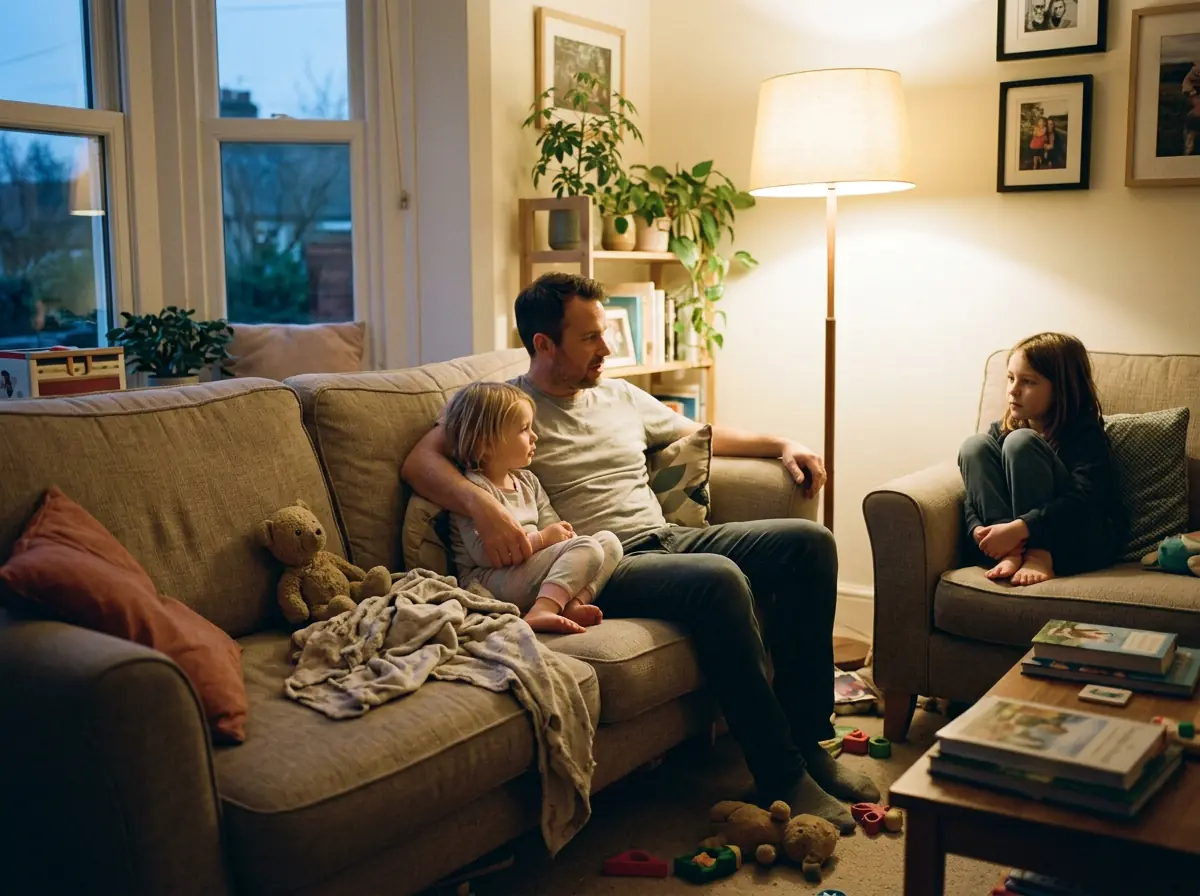
- Listen and keep the routineAsk what they know and what they fear, let them express how they feel and do not give false reassurance. Keep mealtimes and bedtimes, and see a professional if difficulties last more than six weeks.
Keep them out of disaster cleanup: they can help as volunteers in a safe place, but not with cleanup.
Check what you already have
0 of 5 · Saved only on this device.
- Waiting for an emergency to explain what to do.
- Letting them watch news or images of the disaster without company.
- Giving false reassurance instead of listening to what they fear.
Sources: CDC · before, during and after an emergency · Texas Ready · emergency plans for children · AAP · talking with children about disasters · NCTSN · parent guidelines after a hurricane