HomeStage 2 · Your moneyEmergency money and papers: a fund, cash, insurance and copies
By Global PrepperUpdated 3 official sourcesHow we make the guides
Stage 2 · Emergency money and papers: a fund, cash, insurance and copiesMoney and papers: a fund, cash and copies for when something fails
A disaster also costs money and paperwork. Three steps to have a fund, cash on hand, your documents safe and your insurance reviewed.
- Fund: even a small one, in an account that is easy to use.
- Cash: small bills for at least three days.
- Papers: originals away from home and digital copies.
- Insurance: check what it covers and make a photo inventory.
Fund and cash: a cushion and money on hand
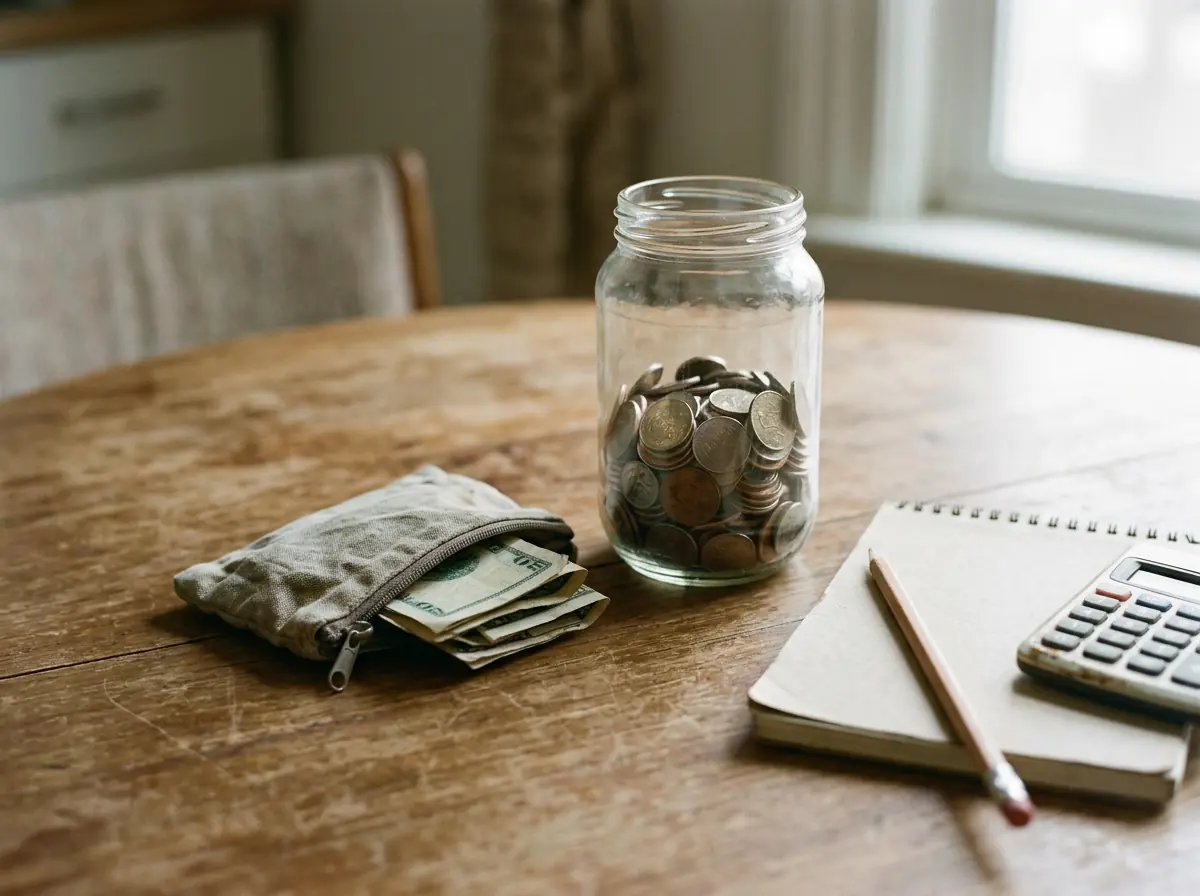
- A fund, even a small oneStart with what you can: the CFPB says even a small amount gives some security, and the Red Cross suggests building up to three to six months of expenses.
- Automatic savingSet up a regular transfer from your checking account to a savings account, and send any extra income there, such as a refund or a cash gift.
- Cash at homeKeep cash for at least three days for your family in a safe place, in small bills: ATMs and cards may not work in a disaster.
- Where to keep itA bank or credit union account is one of the safest places. If you can, deposit part of it with an institution outside your area.
Use it instead of going into debt: cards and loans add interest and fees. Decide what counts as an emergency and refill it little by little.
Documents and copies: originals far away and copies at hand
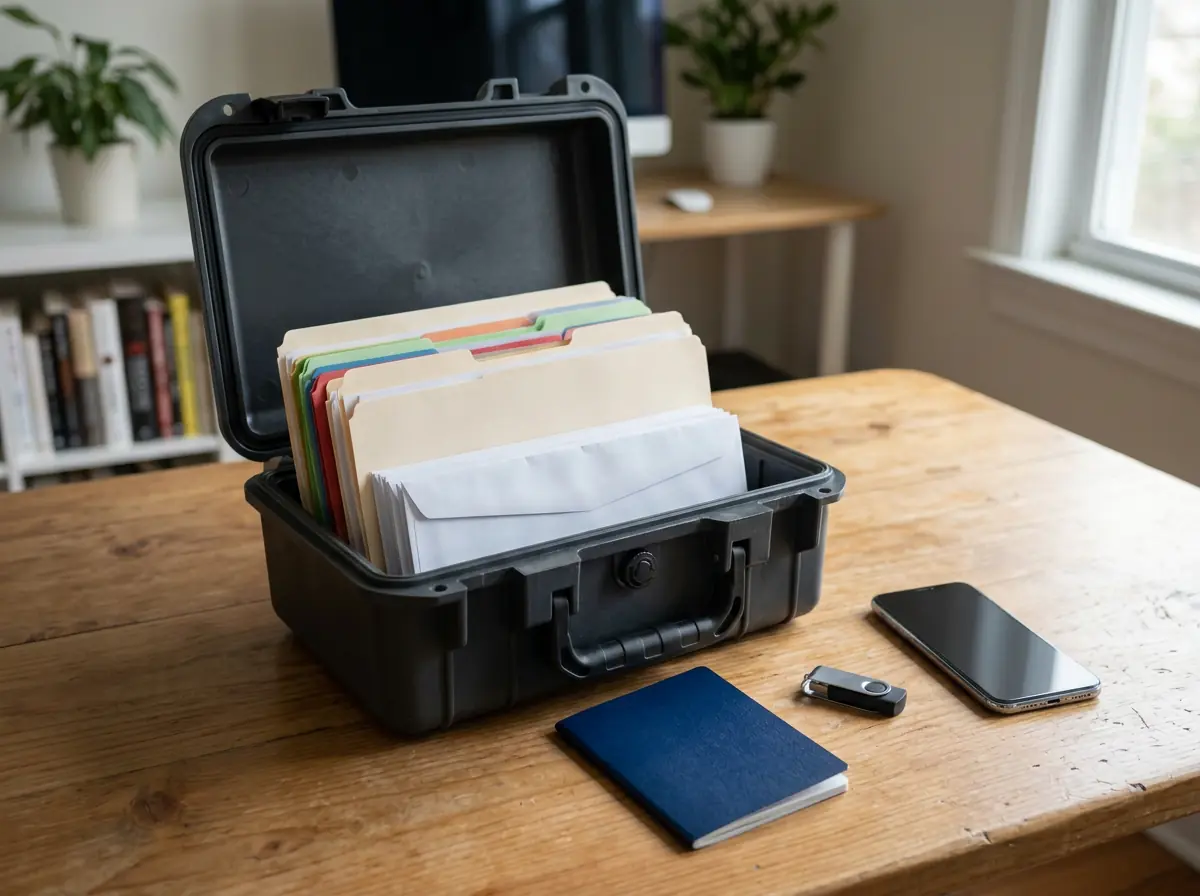
- Gather the essentialsIDs and passports; birth, marriage and death certificates; insurance policies; account statements; deeds, rental agreement and car titles; prescriptions and medical records.
- Originals away from homeKeep the hard-to-replace ones in a bank safe deposit box far from your home. The original will goes with your lawyer, not in the box.
- Copies at handA portable fire-resistant, waterproof box with copies near your exit route, or copies in your emergency kit.
- Digital copiesScan them to a USB drive or to encrypted cloud storage, and share copies with a relative or friend in another city.
Put account and contact numbers in your kit for the bank, the cards and the insurers.
Insurance and inventory: what is covered and what you own
- Check what it coversRead your home or renter, health and life policies: how much they cover and against what. Home insurance usually does not cover floods; you have to buy that separately.
- Renting and your deductibleIf you rent, insure your belongings separately. Know your deductible: what you pay before the insurance covers the rest.
- Make an inventoryTake photos or video of the inside and outside of the home and your belongings, and note models and serial numbers. Keep it away from home and update it every year.
- If disaster strikesPhotograph the damage, keep receipts for extra costs and tell your insurer soon. Do not make big repairs before the adjuster inspects, or throw away valuable damaged items.
Keep the paperwork from insurers and aid agencies in a safe place, with a second copy.

Check what you already have
0 of 5 · Saved only on this device.
- Relying only on the ATM and cards when the power fails.
- Keeping the original documents and the copies in one place at home.
- Finding out after the disaster that the insurance did not cover what happened.
Sources: Ready.gov · financial preparedness · CFPB · essential guide to building an emergency fund · American Red Cross · disasters and financial planning (with AICPA and NEFE)