HomeStage 2 · Your familySpecial needs: medicines, babies, older adults and pets in an emergency
By Global PrepperUpdated 6 official sourcesHow we make the guides
Stage 2 · Special needs: medicines, babies, older adults and pets in an emergencySpecial needs: prepare everyone in your home
In an emergency, each person in your home needs something different: the everyday medicine, the baby formula, a grandparent's support, the pet food. Three steps to get it ready beforehand.
- Medicines: a written list, a reserve, an airtight container and ice for those that need to stay cold.
- Babies: ready-to-feed formula, diapers, wipes and the vaccination record.
- Older adults: a support network, a spare key and batteries for their devices.
- Pets: 3 days of water and food, current ID and a place to stay.
Daily medicines: list, reserve and cold
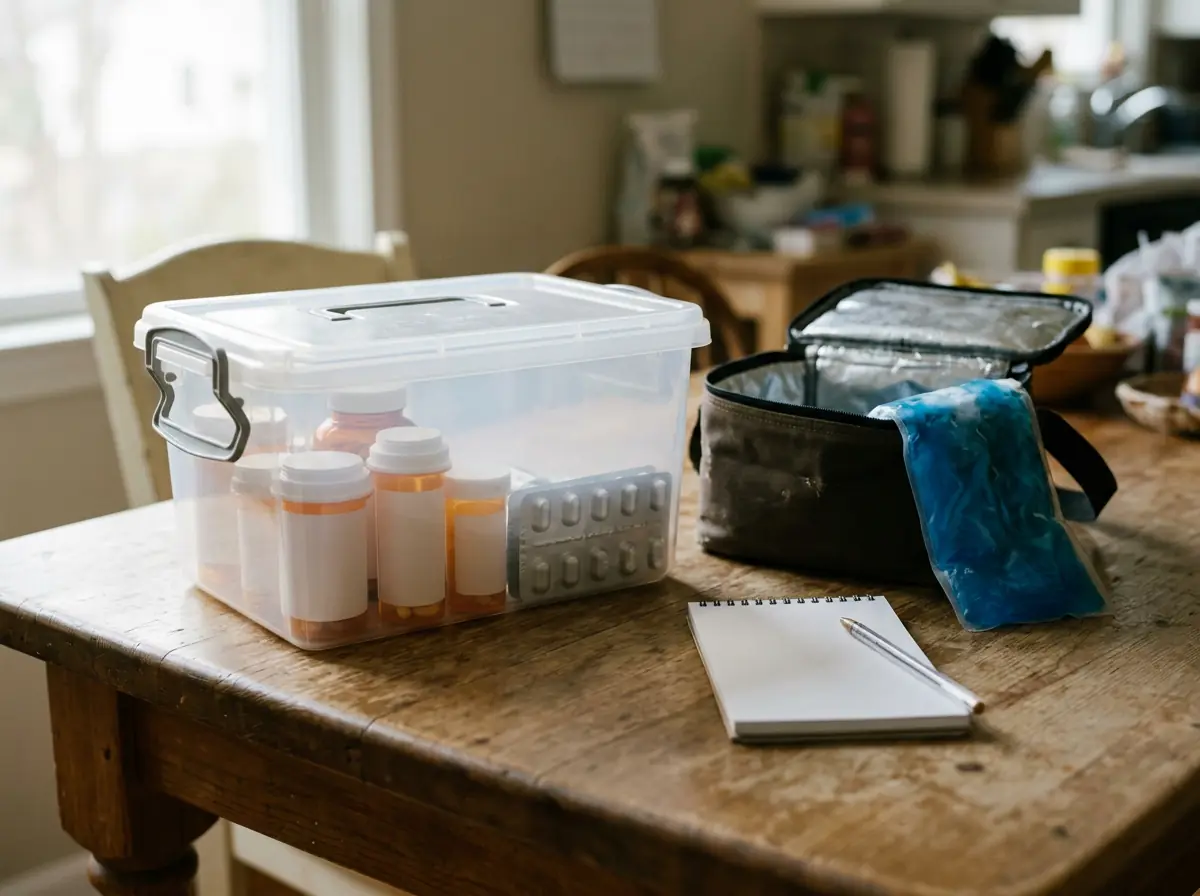
- Make a listWrite down each medicine with its strength, what it is for, how much is taken and when, the person's health conditions and their allergies. Keep a copy of the prescriptions with your supplies.
- Set aside a reserveAsk for refills early and ask the pharmacist or doctor how to keep an emergency supply. The CDC asks for at least 2 weeks of prescription medicines in the kit for families with children and 1 week in the one for people with disabilities.
- Protect themKeep them in airtight containers, where floodwater cannot reach them. For those that need to stay cold, have a cooler with ice or frozen gel packs. If they went without cold, ask a pharmacist, a doctor or the manufacturer whether they are still good.
- Treatment at a clinicIf you are treated at a clinic or hospital, ask what its emergency plan is and what other place could treat you.
Throw away any medicine that touched floodwater or unsafe water, even if it is in its container with a lid; high heat can reduce or destroy its effect. Exception: if it sustains life, there is no replacement and it looks the same, it can be used until you get another; the FDA gives insulin as an example.
Babies, children and older adults: what each one needs
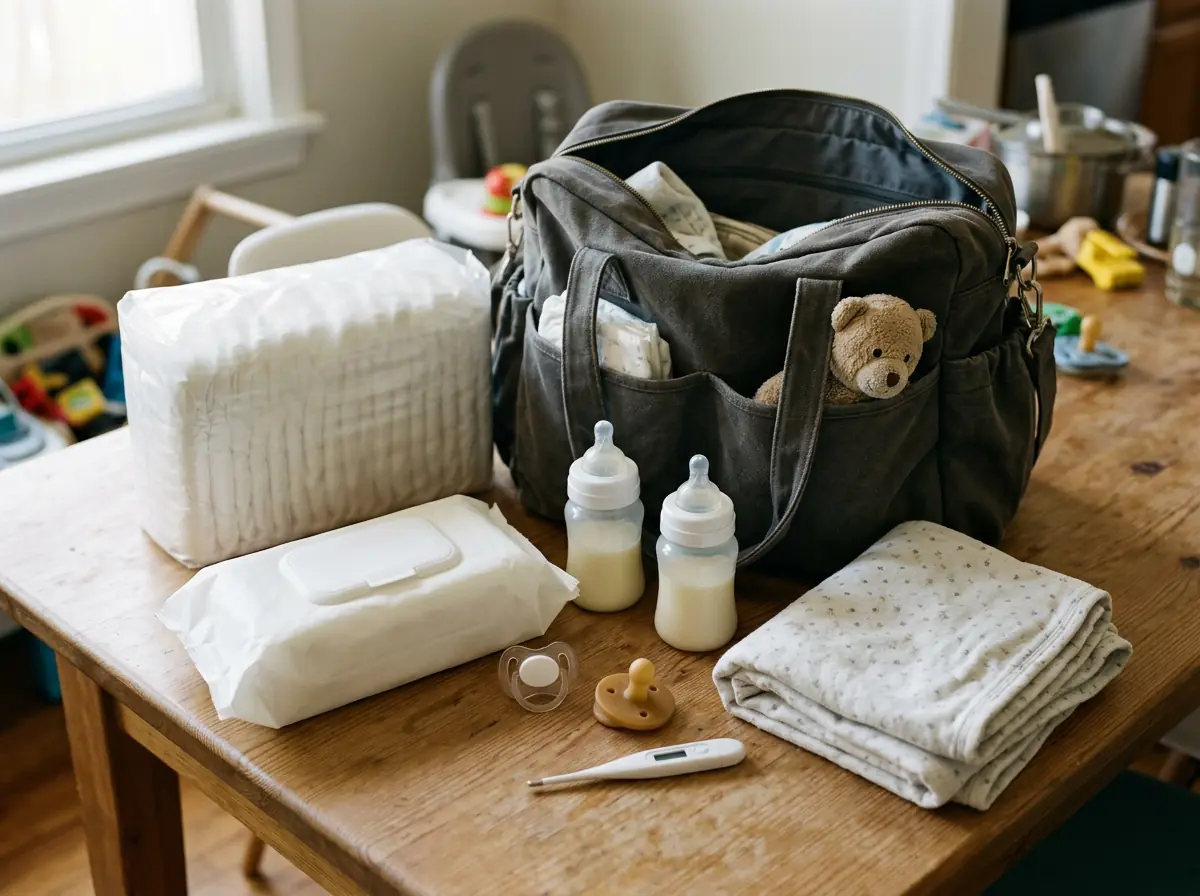
- Babies: ready-to-feed formulaIt is the safest option in an emergency: no mixing with water, and it comes in sterile single-use containers. If you only have powdered formula, keep it from getting contaminated and mix it with bottled water. Every month, check there is enough for several days and replace formula close to expiring.
- A bag for the little onesAt least one large pack of diapers, two of wipes, diaper rash cream, two pacifiers if they use them, two blankets, a change of clothes, a thermometer and the vaccination record. For children aged 1 to 5, add portable activities.
- So they can be foundPut a wristband or tag with their name and your phone number on the little ones, and help older children memorize important names and phone numbers. Keep recent family photos, one with everyone together, to find each other if you get separated.
- Older adults: a support networkBuild a network of relatives, friends, neighbors and caregivers and practice the plan with them. At least one person should have a spare key, know where your supplies are and know how to use your medical equipment or give your medicine. Plan how to take wheelchairs, walkers or crutches and how to travel; keep batteries and chargers for hearing aids.
Check these kits every 6 months: the expiration dates and that everything works.
Pets: their own kit, ID and where to leave them
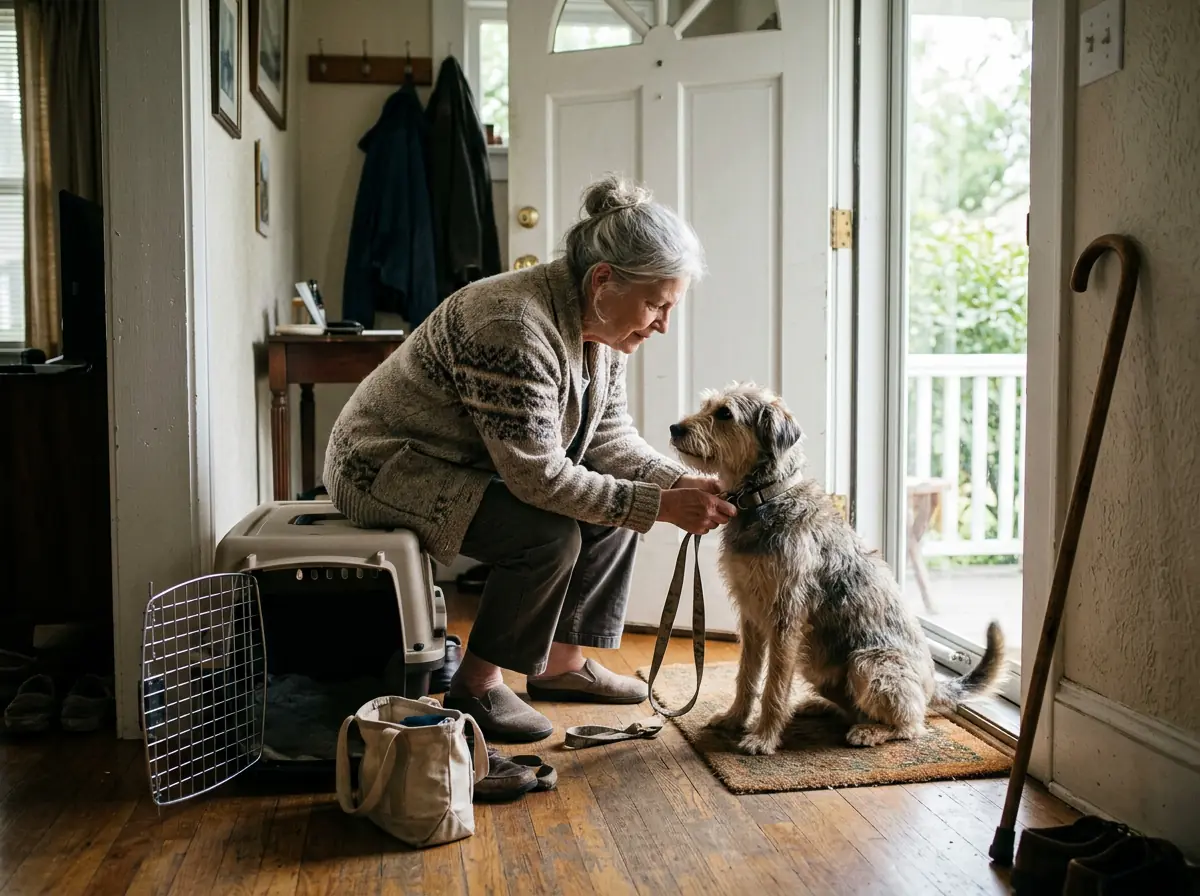
- Food and waterAt least 3 days of water and food for each pet, with the food in a waterproof container. Keep their medicines in a waterproof container too.
- ID and papersEvery pet should always wear a collar with current ID; keep a spare collar and a leash. Keep their vaccination record and their vet's details in a waterproof container, along with a photo of you with them to prove they are yours if you get separated.
- Carrier and comfortA crate or carrier where they can stand up, turn around and lie down. Add a toy or blanket they know and treats, and what you need to clean up: bags, paper towels and, for a cat, litter and a litter box.
- Where to stayAsk your vet for boarding kennels that take pets in emergencies, check with the local animal shelter and arrange a caregiver outside your area. Not all shelters accept pets.
Keep the kit somewhere easy to reach, near the exit, and bring pets indoors at the first sign of a storm.
Check what you already have
0 of 5 · Saved only on this device.
- Letting medicines run out before asking for a refill.
- Storing medicines where floodwater can reach them.
- Assuming the shelter will accept the pets.
Sources: FDA · safe use of medicines after a natural disaster · CDC · emergency kit checklist for pregnant women, infants and children · CDC · infant feeding checklist for emergencies · CDC · emergency kit for people with disabilities · Ready.gov · older adults · Alabama Department of Public Health · emergency kit for pets