HomeStage 3 · In the fieldEdible plants guide
By Global PrepperUpdated 2 official sourcesHow we make the guides
Stage 3 · Edible plants guidePlants: only what you know for certain
Plants can feed you, but one you misidentify can kill you. Learn first from someone who knows, rule out anything doubtful and prepare what you eat properly.
- Eat only plants you identify with certainty.
- Poison hemlock is mistaken for wild carrot and has killed people.
- Do not eat mushrooms in an emergency.
- Learn before you need it, with an expert and several sources.
Learn before you need it
The key is positive identification: knowing for certain which plant it is. You learn it beforehand, in the region where you live or where you are going.
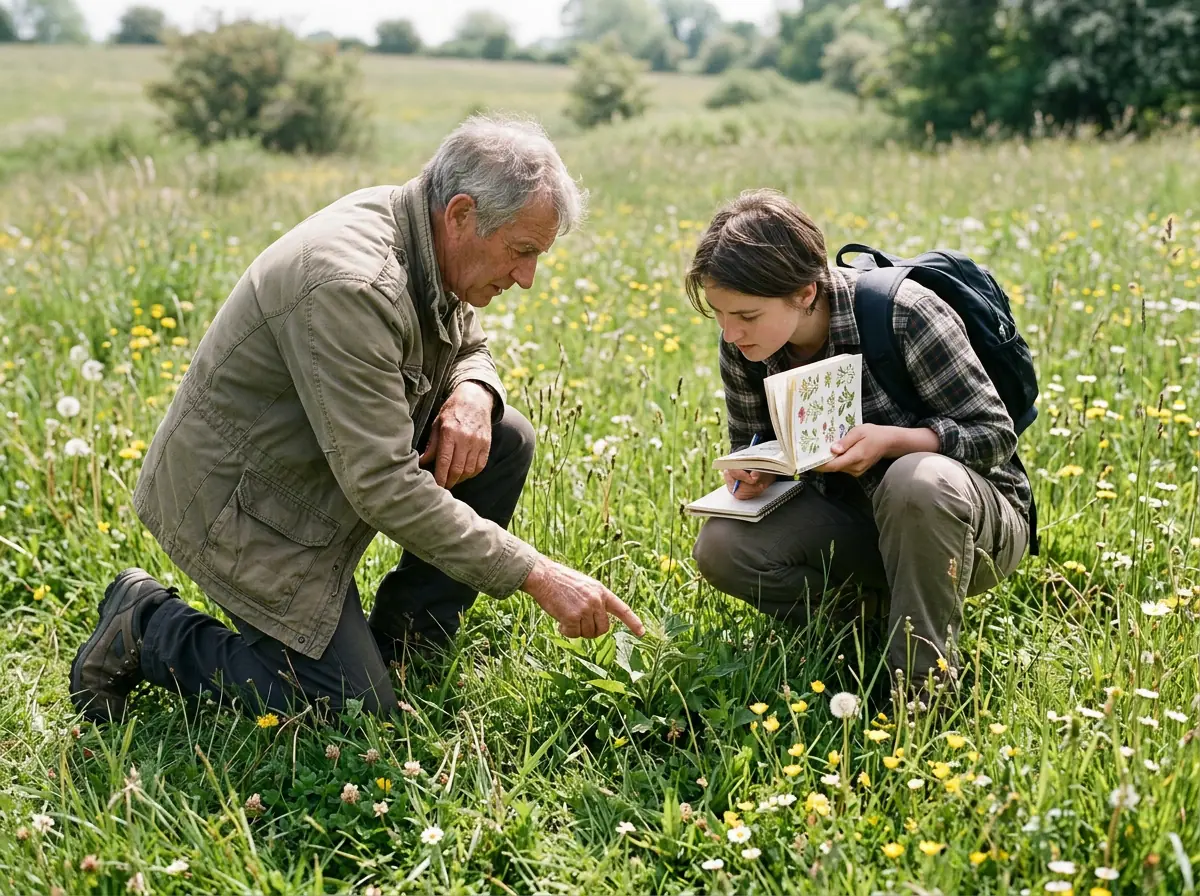
- With someone who knowsA local expert, a botanical garden or a course. Compare what you learn with books and nature trails.
- Look at the leaf and the rootNote the shape and edge of the leaf, how the leaves grow from the stem and the type of root.
- Start with a fewLearn five edible and five toxic plants of your area well.
- Distrust look-alikesPoison hemlock looks like wild carrot and wild parsnip, and it has killed people who mixed them up.
A plant can be edible in one part and poisonous in another, or only at certain times: some leaves are eaten young and poison you when mature.
Rule out whatever is doubtful
These signs are not for choosing a plant but for ruling one out. They will make you pass up good plants, but they keep you away from toxic ones.
- Avoid: milky or oddly colored sap; beans, bulbs or seeds inside pods; a bitter or soapy taste.
- Avoid: thorns, fine hairs or thistles; leaves that look like dill, carrot, parsnip or parsley; leaves in groups of three.
- Avoid: an almond smell in the leaves or wood, and grain heads with pink, purple or black spurs.
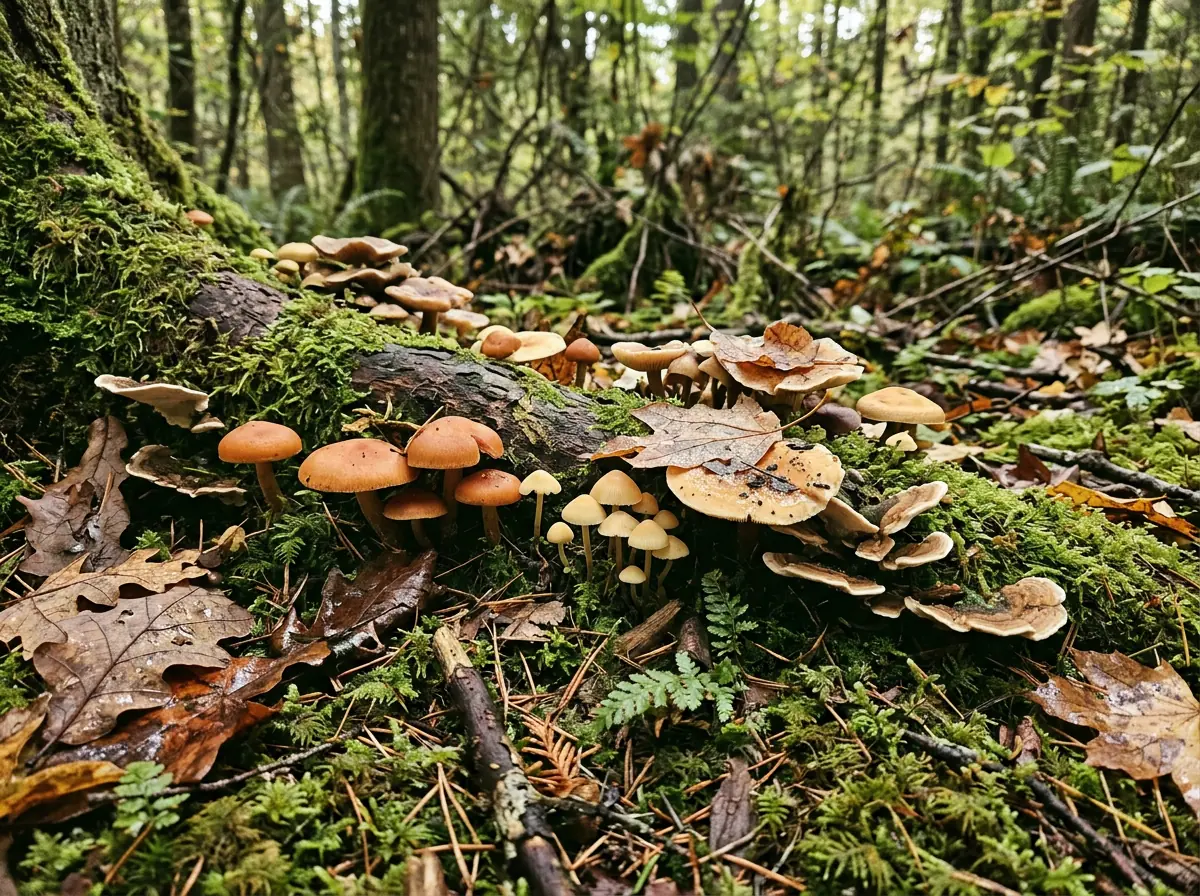
Do not eat mushrooms in an emergency: the most dangerous ones can take days to cause symptoms, when it is too late for a remedy.
Do not rely on an animal eating it, on it being red or on boiling it: boiling does not remove every poison.
If there is no other choice, test slowly
The edibility test is a last resort: it takes more than 24 hours for each part of the plant, it is only worth it with an abundant plant and it is not done with mushrooms.
- Skin and mouth, without swallowingAfter 8 hours without eating, rub a part on the inside of your elbow (15 minutes); then on your lip (3), on your tongue (15) and chew it without swallowing (15). If it burns, stings, numbs or irritates, stop.
- Swallow and wait 8 hoursDrink only purified water. If there are no symptoms, eat a quarter cup of the same part and wait another 8 hours.
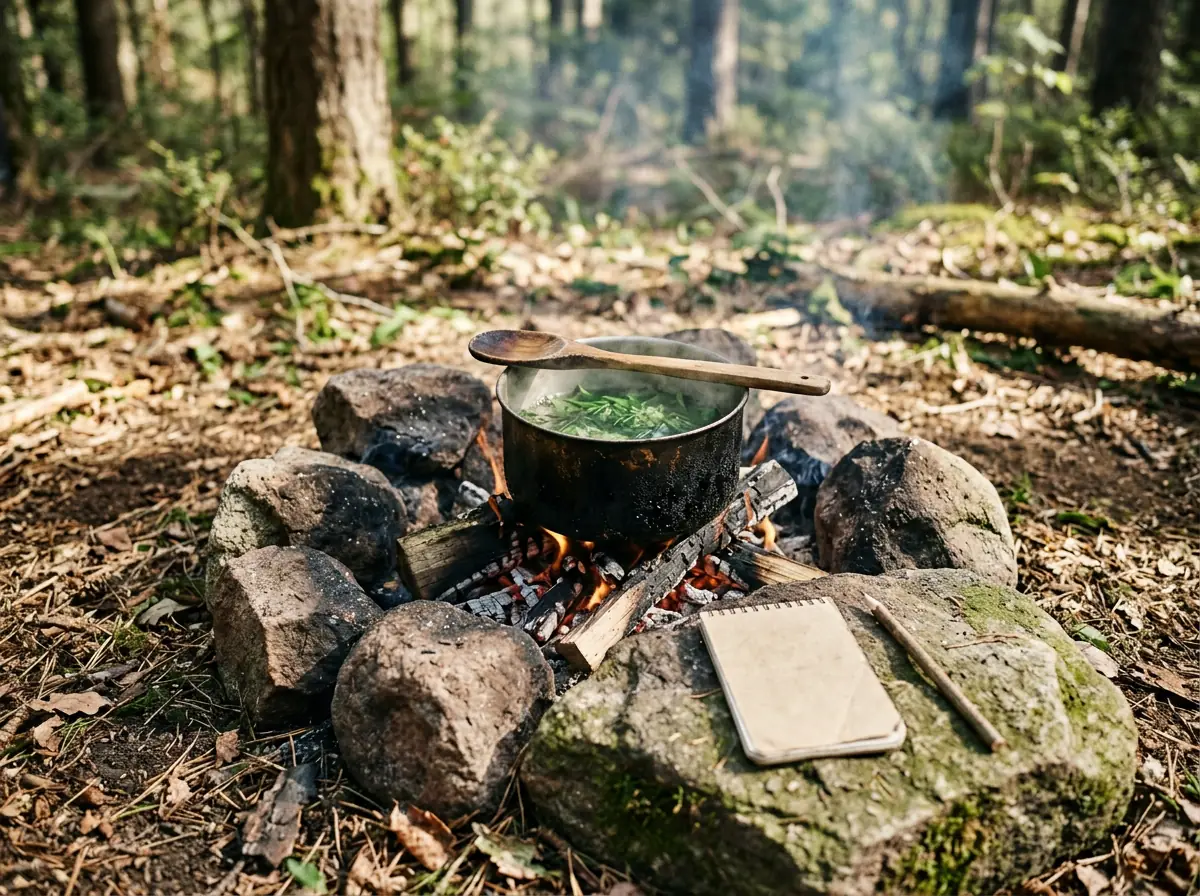
- Prepare and eat littleBoil leaves, stems and shoots until tender, and change the water if they turn bitter. Even if it passes the test, eat little and keep a record of what you eat.
If you feel sick at any step, stop and get medical help. The manual warns that tasting even a little of some plants can cause serious illness or death.
Check what you already have
0 of 5 · Saved only on this device.
- Eating a plant because it looks like another edible one.
- Trusting that an animal eats it or that boiling makes it safe.
- Eating wild mushrooms.
Sources: US Army survival manual · ch. 9, edible plants · US Army survival manual · ch. 10, poisonous plants