HomeStage 3 · Learn a tradeBasic electricity: your panel, tests and where to stop
By Global PrepperUpdated 4 official sourcesHow we make the guides
Stage 3 · Basic electricity: your panel, tests and where to stopBasic electricity: know your panel, check and know where to stop
Electricity does not forgive mistakes. Three steps: know your panel, check and test what you already have, and know how far you go. The rest is learned in an in-person course.
- Panel: reset the breaker only after removing the cause.
- GFCI: test it every month with TEST and RESET.
- Warning: a hot or noisy outlet, stop using it.
- Limit: the panel and the wiring are for an electrician.
Your panel: circuits, breakers and fuses
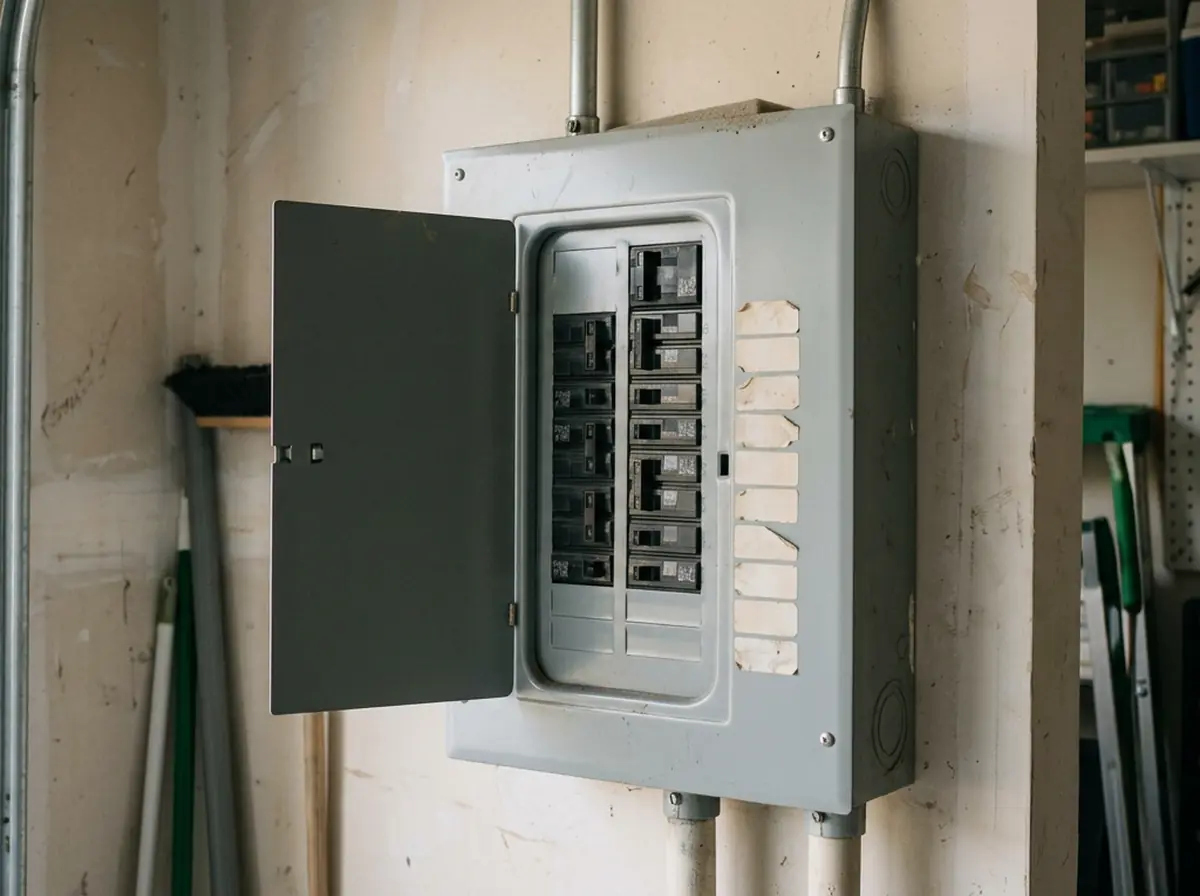
- Locate itKnow where the breaker panel is and which circuit feeds each room. Stick a label next to each one.
- A tripped breakerA breaker is reset with its lever only after removing the cause. If it trips again, don't force it: call an electrician.
- Don't overloadA 15-amp circuit carries about 1,500 watts of appliances at once and a 20-amp circuit about 2,000. Spread appliances across circuits.
- FusesReplace a blown fuse with one of the same rating, usually 15 amps. Never put anything but a fuse in its place.
Repeated trips or fuses that blow often are a sign of a serious problem: call a licensed electrician right away.
Check and test: outlets, cords and GFCIs
- Warning signsAn outlet or switch that is hot, discolored, noisy or doesn't hold the plug is a warning. Stop using it until an electrician checks it.
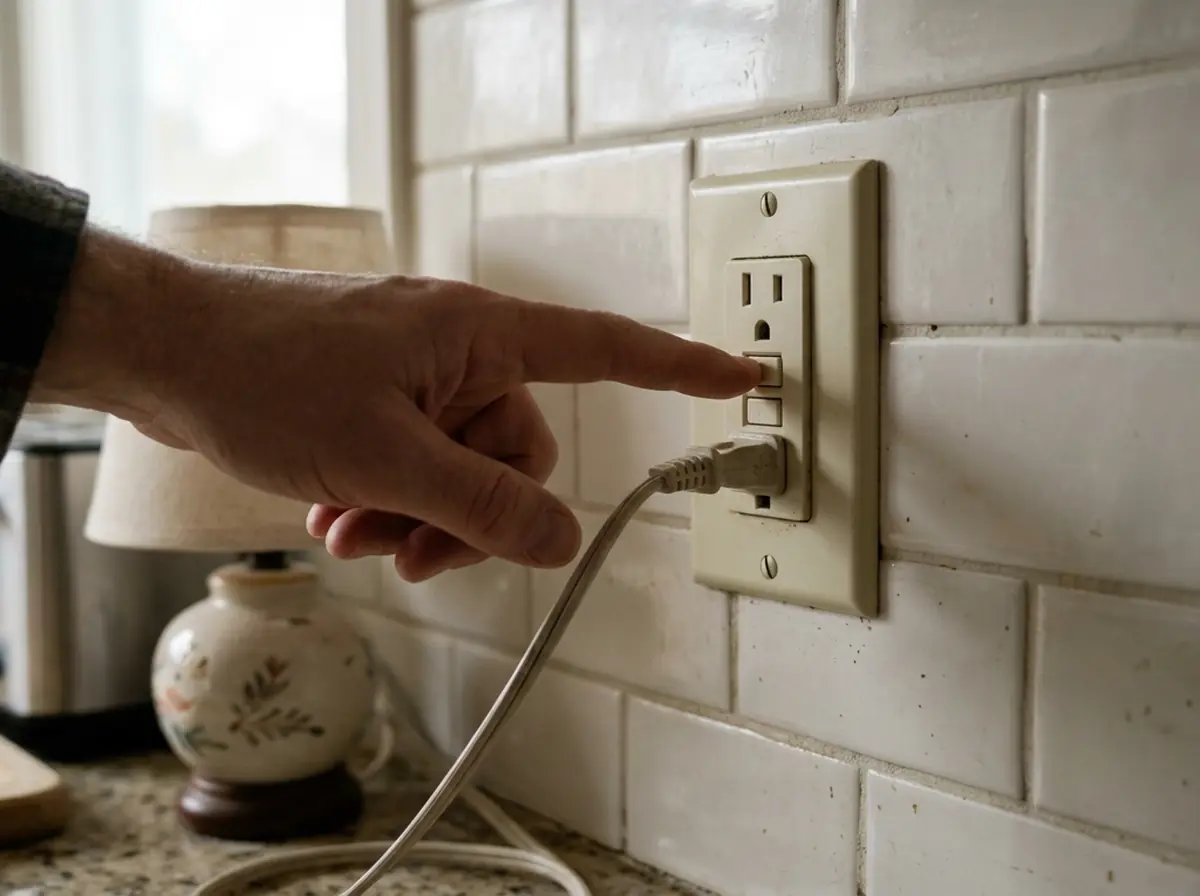
- GFCI testEvery month: press RESET, plug in a small lamp, press TEST (it should go off) and press RESET again. If it doesn't come on, call an electrician.
- CordsReplace cracked or bare cords. Don't run them under rugs, don't leave them coiled while in use and don't nail or staple them.
- Extension cordsThey are for short-term use only. Never use one with homemade splices: a loose plug or a damaged cord overheats and can cause a fire.
Moisture and electricity don't mix: in bathrooms, kitchens, garages and outdoors the outlet must have a GFCI.
How far you go: what you can and can't do
- What you can doReset a tripped breaker, replace a fuse with an identical one, change a bulb for one of the wattage the lamp says and replace a damaged cord on an appliance.
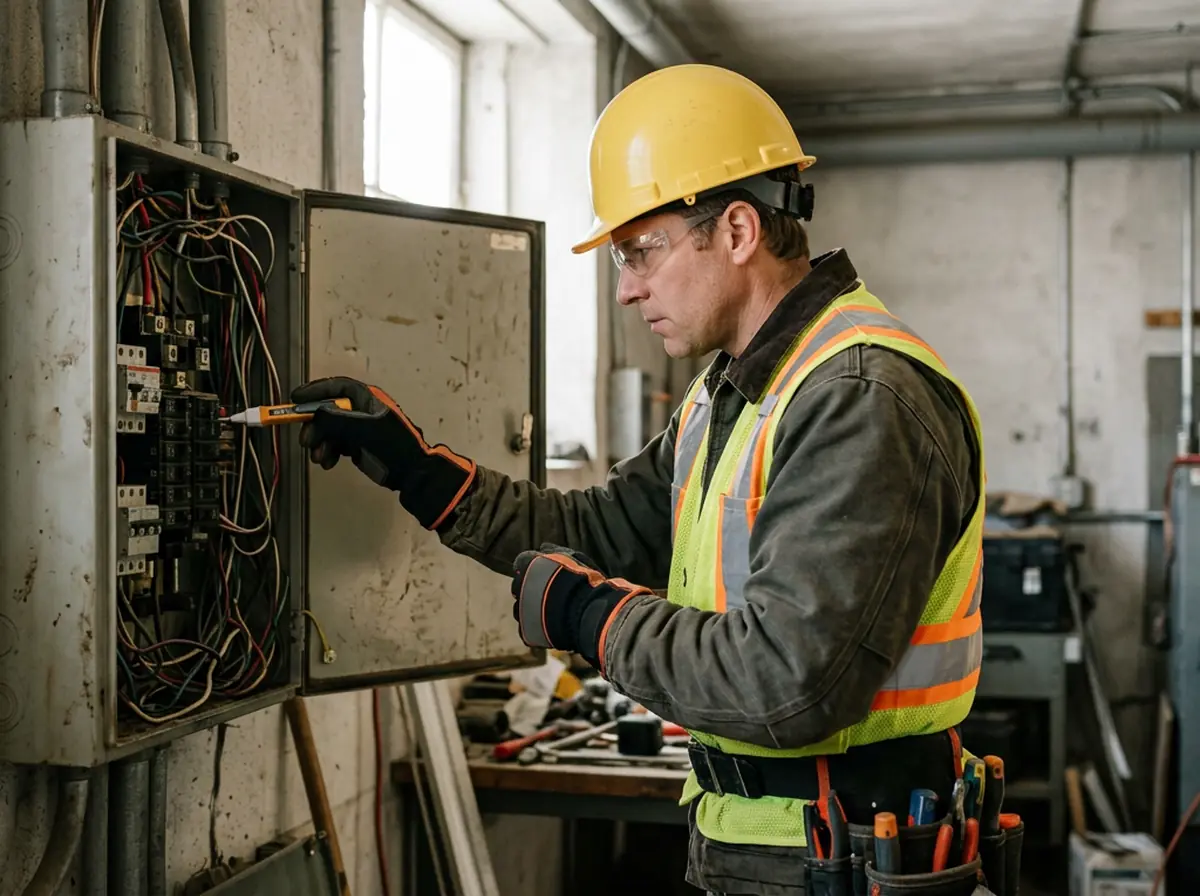
- What you can'tOpen the panel, splice wall wiring, install new outlets or circuits and work on live wires. That is for a licensed electrician.
- Home inspectionThe CPSC considers a wiring inspection overdue after 40 years or more; between 10 and 40 it is advisable, especially if you added appliances.
- Learn in personTo do more, take an in-person course with an authorized instructor. Electricity is not learned by reading alone.
If you see a downed street power line, don't go near it or touch it: notify the power company and emergency services.
Check what you already have
0 of 5 · Saved only on this device.
- Resetting a tripping breaker again and again without looking for the cause.
- Continuing to use a hot or sparking outlet.
- Opening the panel or splicing wall wiring without being an electrician.
Sources: CPSC · guide to home wiring hazards · ESFI · electrical checkup for your home · ESFI · GFCIs · OSHA · electrical