HomeStage 3 · Your healthHealth when there is no doctor: when not to wait, how to rehydrate and how to treat
By Global PrepperUpdated 7 official sourcesHow we make the guides
Stage 3 · Health when there is no doctor: when not to wait, how to rehydrate and how to treatHealth when there is no doctor: when not to wait, how to rehydrate and how to treat
When no doctor is at hand, the first thing is to tell what can be handled at home from what cannot wait. Three steps: the warning signs, rehydration, and wounds and fever.
- Warning: confusion, difficulty breathing, bluish lips or seizures: get care now.
- Rehydration drink: 1 liter of water, 6 teaspoons of sugar and half a teaspoon of salt, measured exactly.
- Wounds: press, rinse with clean water and cover.
- Babies: with a fever, call a professional before giving any medicine.
When not to wait: the warning signs
- Fever with warning signsGet care immediately if the person cannot be woken or is confused, cannot walk, has trouble breathing, has blue lips, tongue or nails, has a very bad headache with a stiff neck, or has seizures.
- BabiesFor a child under 3 months, call a professional for any fever of 38 °C or higher (measured rectally) and before giving any medicine.
- Severe dehydrationIt is an emergency if the person urinates very little or the urine is very dark, is confused, has a racing heart or fast breathing, has sunken eyes or is in shock.
- Risky woundsAn embedded object, a dog bite or a dirty puncture wound needs professional care as soon as possible; there they will also decide whether you need a tetanus booster.
This does not replace a doctor: if you see one of these signs, get professional care as soon as possible and do not wait for it to pass.

Rehydrating: homemade rehydration drink and when it is not enough
- Liquids in sipsWith diarrhea or vomiting, give clean water in sips or small pieces of ice, and keep offering nutritious food.
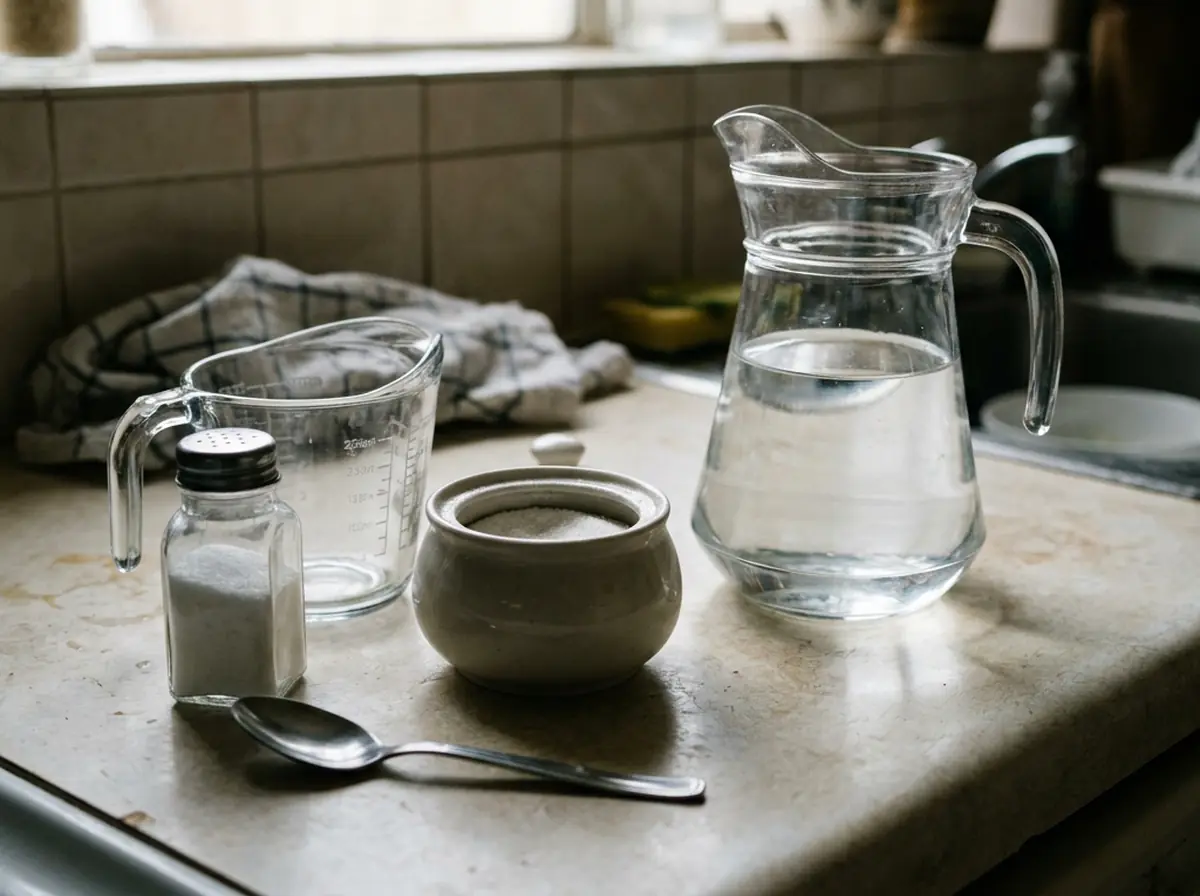
- Homemade rehydration drinkIf you have no oral rehydration salt packets, mix 1 liter (about 4 glasses) of clean water, 6 level teaspoons of sugar and half a level teaspoon of salt.
- Exact measuresDo not eyeball it: too much sugar makes diarrhea worse; too much salt makes dehydration worse.
- Safe water and babiesUse boiled or treated water and avoid juices, soft drinks and sports drinks. If the baby is breastfed, keep going; avoid teas and herbal infusions.
Get care if there is blood in the diarrhea, the person cannot keep liquids down, it lasts 14 days or more, or signs of severe dehydration appear.
Wounds and fever: what to do and what not to do
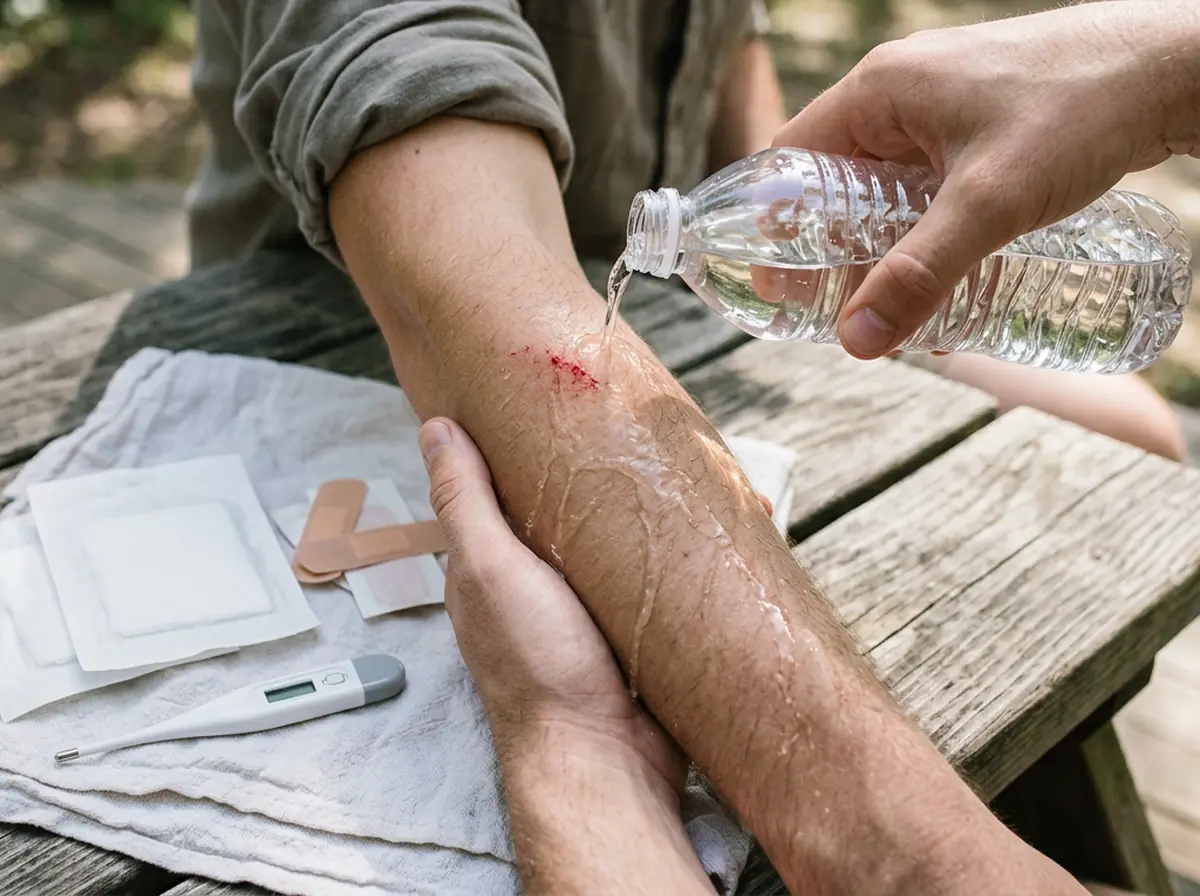
- Stop the bleedingPress directly on the wound until the bleeding stops. Only then clean it.
- Clean and cover itRinse it with plenty of clean water, wash around it with soap, pat dry gently and cover with a bandage or a clean, dry cloth.
- Watch for infectionMore pain, swelling, redness, pus or fever mean infection: get care. Leave dirty wounds, bites and puncture wounds open so a professional can see them.
- FeverRest, fluids and a lukewarm bath; no cold baths, ice or alcohol rubs. If you give medicine, follow the label and the person's weight, and never give aspirin to a child.
Get care if an adult goes above 39.4 °C and it does not come down, the fever lasts more than two or three days, or it reaches 40.5 °C at any age.
Check what you already have
0 of 5 · Saved only on this device.
- Waiting for a fever or diarrhea to pass when it already has warning signs.
- Making the rehydration drink by eye, with more sugar or salt than needed.
- Giving aspirin to a child, or any medicine to a baby under 3 months, without consulting.
Sources: WHO · diarrheal disease · WHO · home oral rehydration (EMRO) · UNICEF · what to do if a baby has diarrhea · MedlinePlus · fever · MedlinePlus · dehydration · CDC · wound care · CDC · cholera treatment