HomeStage 3 · Live off what you produceBartering: how to trade safely and without hassle
By Global PrepperUpdated 4 official sourcesHow we make the guides
Stage 3 · Bartering: how to trade safely and without hassleBartering: agree on value, stay safe and what to trade
When money runs short or something is scarce, trading with your neighbors helps. Three steps: agree on value, do it safely, and look after the food and seeds.
- Value: agree on it before trading and write it down.
- Place: public, in daylight and, better, accompanied.
- Food: labeled, with ingredients and date.
- Taxes: they may apply; find out your country's rule.
Agree on value: what you offer, what you ask and what it is worth
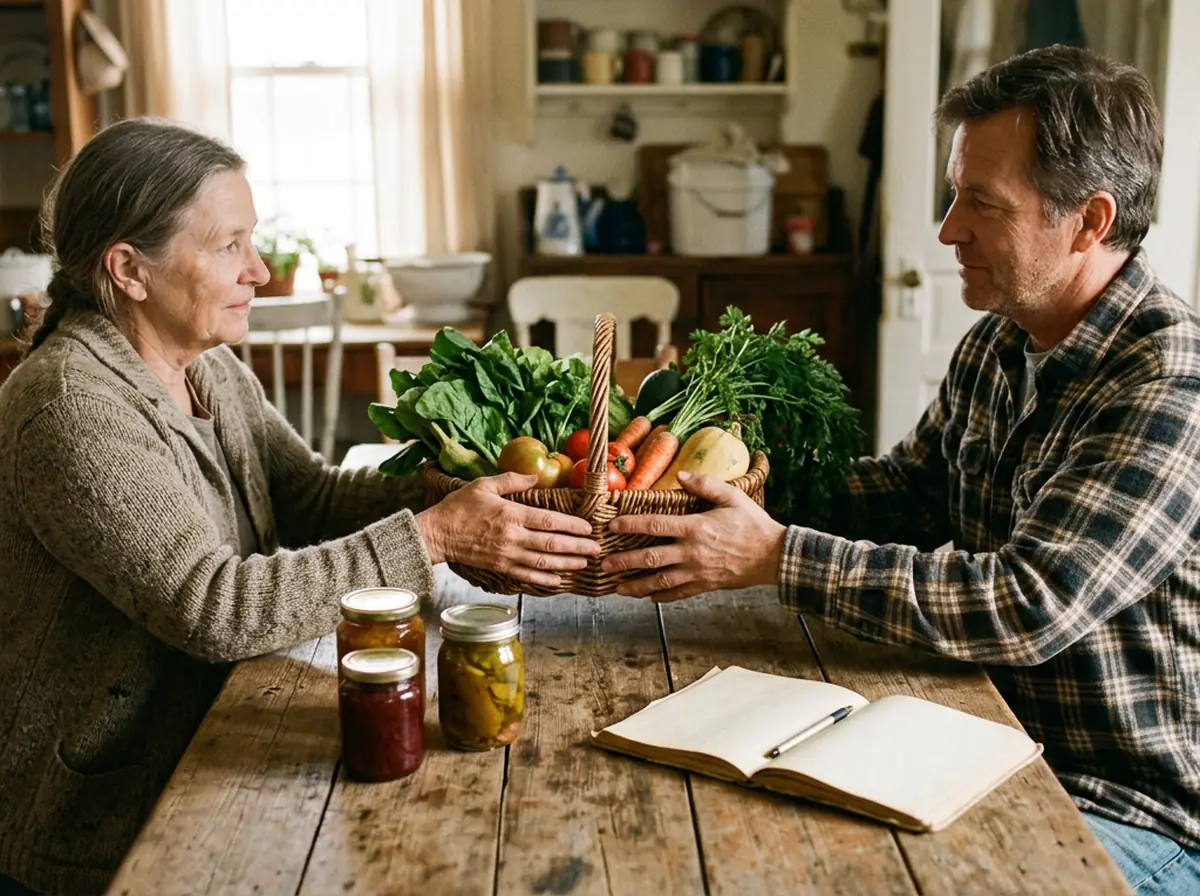
- Offer and askOffer what you have extra, such as food from your garden, preserves, tools, time or a skill. Ask for what you really need.
- Agree on the valueBefore trading, agree on what each item or each hour of work is worth. The IRS refers to the fair market value of what is received.
- Record each tradeNote the date, who it was with, what you traded and what it was worth. It helps you remember and, if asked, to report it.
- TaxesThe IRS says that what you receive in a barter is taxable income and counts in the year it happens. Find out what applies in your country.
This is not tax advice: if you trade often or it is how you make a living, consult a tax professional.
Safely: public place, daytime and no personal details
- Public placeAgree to meet somewhere busy and safe. Some police stations have exchange zones.
- Accompanied and in daylightGo with a friend or family member and trade in broad daylight: another person present can deter a scam.
- Payments and cashBe wary of wire transfers and money orders, which are often associated with scams, and don't carry large sums of cash.
- Your detailsDon't share your address, your phone number or your Social Security number. If anything seems suspicious or makes you uncomfortable, walk away.
If you found it on a platform, report any suspicious activity there.

Homemade food and seeds: labeling, hygiene and what not to trade
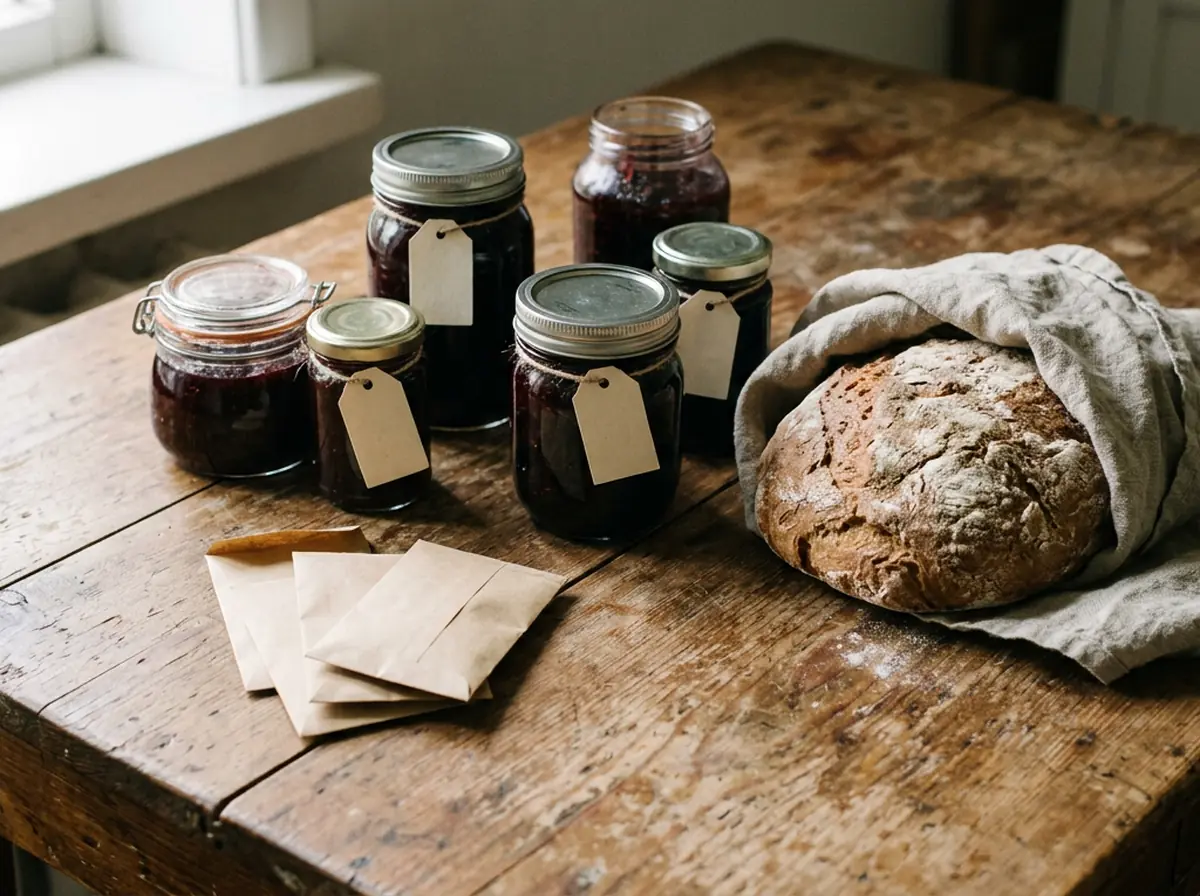
- Label what you tradeWrite who made it, the date and the ingredients, including allergens. The University of Minnesota Extension asks for this for homemade foods sold in that state.
- HygieneDon't touch unwrapped food with bare hands or store it on the floor.
- What not to tradeAvoid anything that needs refrigeration, such as cut fruit or vegetables, cooked pasta or fresh-squeezed juice, and low-acid home-canned goods, such as jarred vegetables that haven't been acidified.
- SeedsTrade open-pollinated seeds with name, variety and date. F1 hybrids don't grow identical plants.
Rules for selling vary by state and country: if you plan to sell instead of trading among neighbors, find out the rules where you live.
Check what you already have
0 of 5 · Saved only on this device.
- Trading without agreeing on the value first.
- Meeting a stranger alone in a secluded place.
- Trading low-acid home-canned goods or food that needs refrigeration.
Sources: IRS · four facts about bartering · Fairfax County · 10 tips for online transactions · University of Minnesota · cottage foods: their kitchen, your table · University of Minnesota · saving vegetable seeds